
Viewing Nationalism from the Lens of World History
As the Vietnamese people tried to adjust their lives post the Indo-China War of 1946–54, their lives were about to see the toughest fight/challenge they could have ever imagined. The mighty superpower USA, in an attempt to contain(Policy of containment, was part of the Truman Doctrine) USSR’s spread of communism in third world countries, launches a full scale invasion from South Vietnam to suppress the Vietnamese people led by the popular leader Ho Chi Minh. Now, on paper, if we try to gauge what the final result was, it is too similar to the David vs Goliath story. A tiny nation, with main competence and strength in guerrilla warfare, is able to deter attacks from a big nation that had been locking horns with another big nation. The Vietnamese people knew that weakness is not an option here, we rather die, but in no circumstance will we let a foreign power dictate what our idea of nation-state must be.
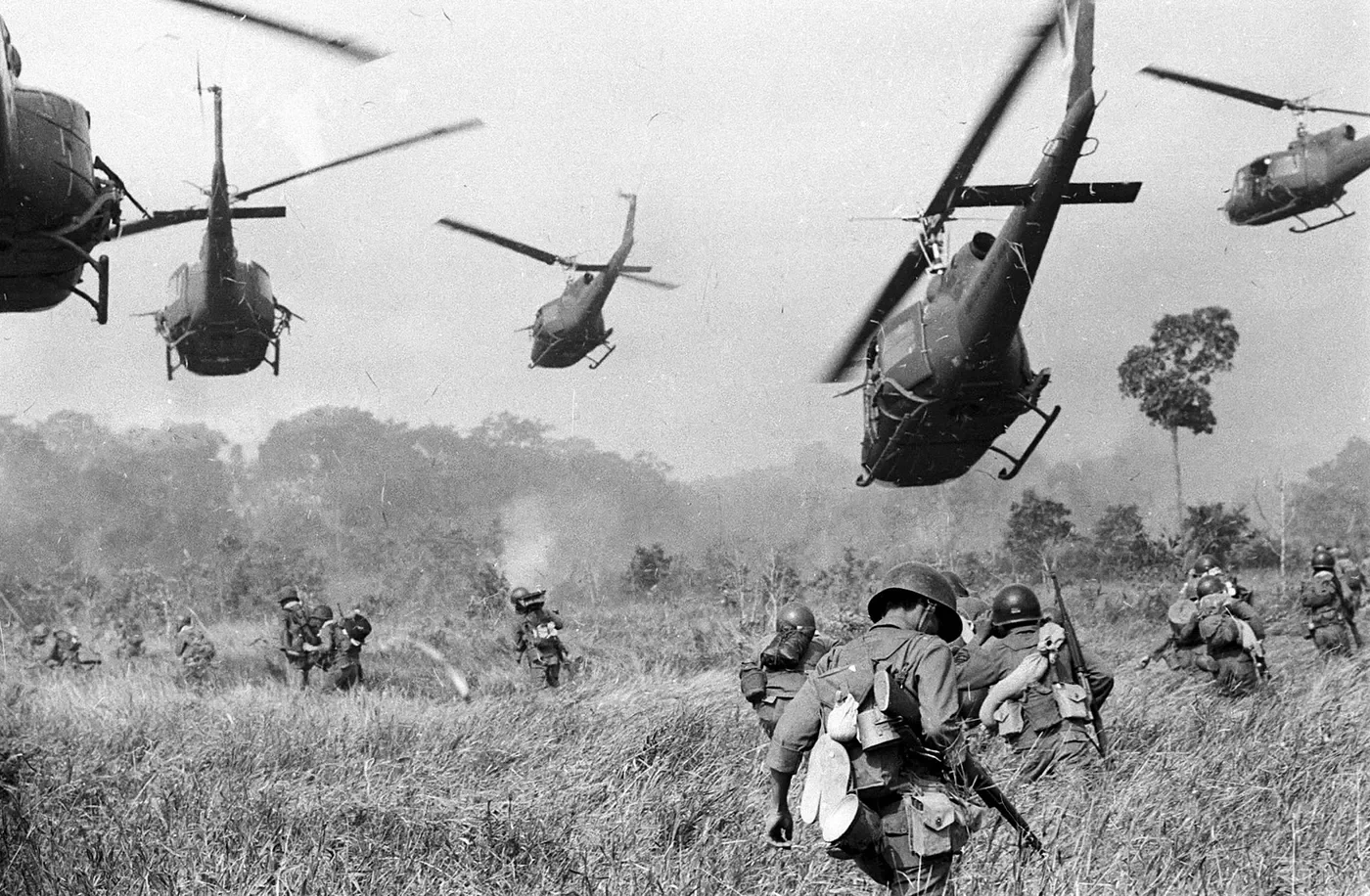
Vietnam War (1965–73)— Some 275,000–310,000 Cambodians, 20,000–62,000 Laotians, and 58,220 US service members died. Its end would precipitate the Vietnamese boat people and the larger Indochina refugee crisis, which saw millions leave Indochina, of which about 250,000 perished at sea.
What does Nationalism refer to
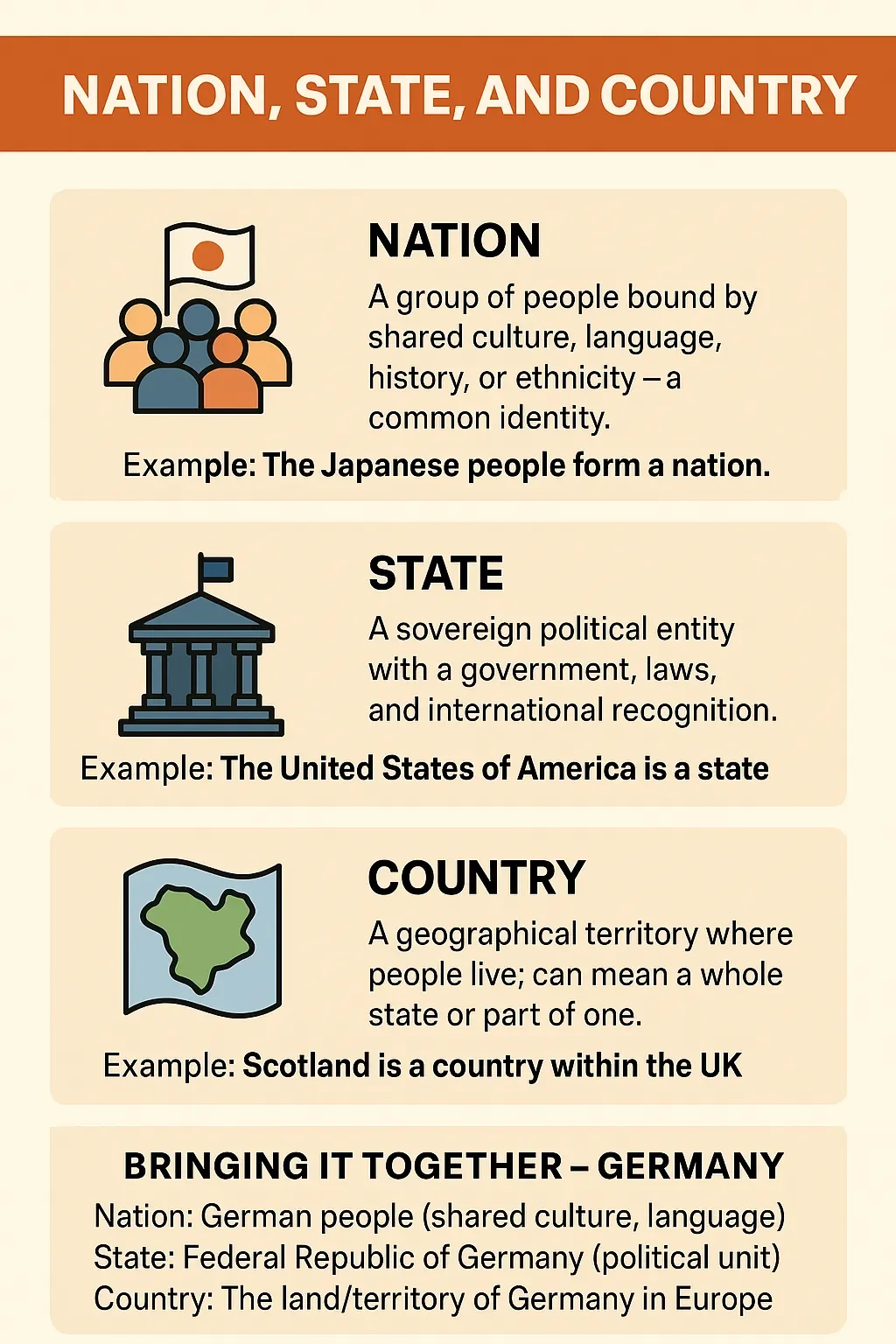
Before that, let’s try to understand a couple of jargon here. What does it mean by the idea of nation, state, and country? Below attached photo describes the idea between the two —
So, what does nationalism entail to? Nationalism is the idea of people with a common shared culture, religion, and language holding pride in their identity. To add an academic depth —
“A nation is a soul, a spiritual principle… the possession in common of a rich legacy of memories; the desire to live together, the will to continue to value the heritage that we have jointly received.” — Renan, “What is a Nation?” (1882)
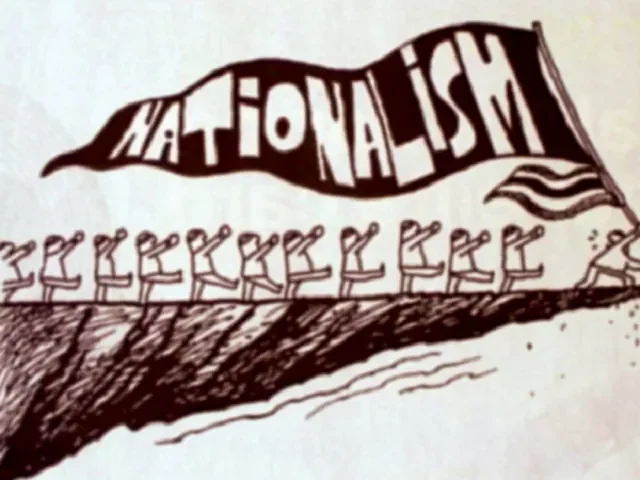
Nationalism is in our hearts, it is our love and desire to protect what we consider as the basis of our identity
Origin of the idea of Nationalism
Before diving into the origin, there is one another thing that we need to know, for what is the idea of the nation-state, or why do people with the same set of values, ideals, and culture come together. The idea of the nation state entails, formulation of territory where people with the same set of values, culture, and aspirations come together to provide and create for themselves a sovereign independent authority/body that will provide them opportunities to better their position.
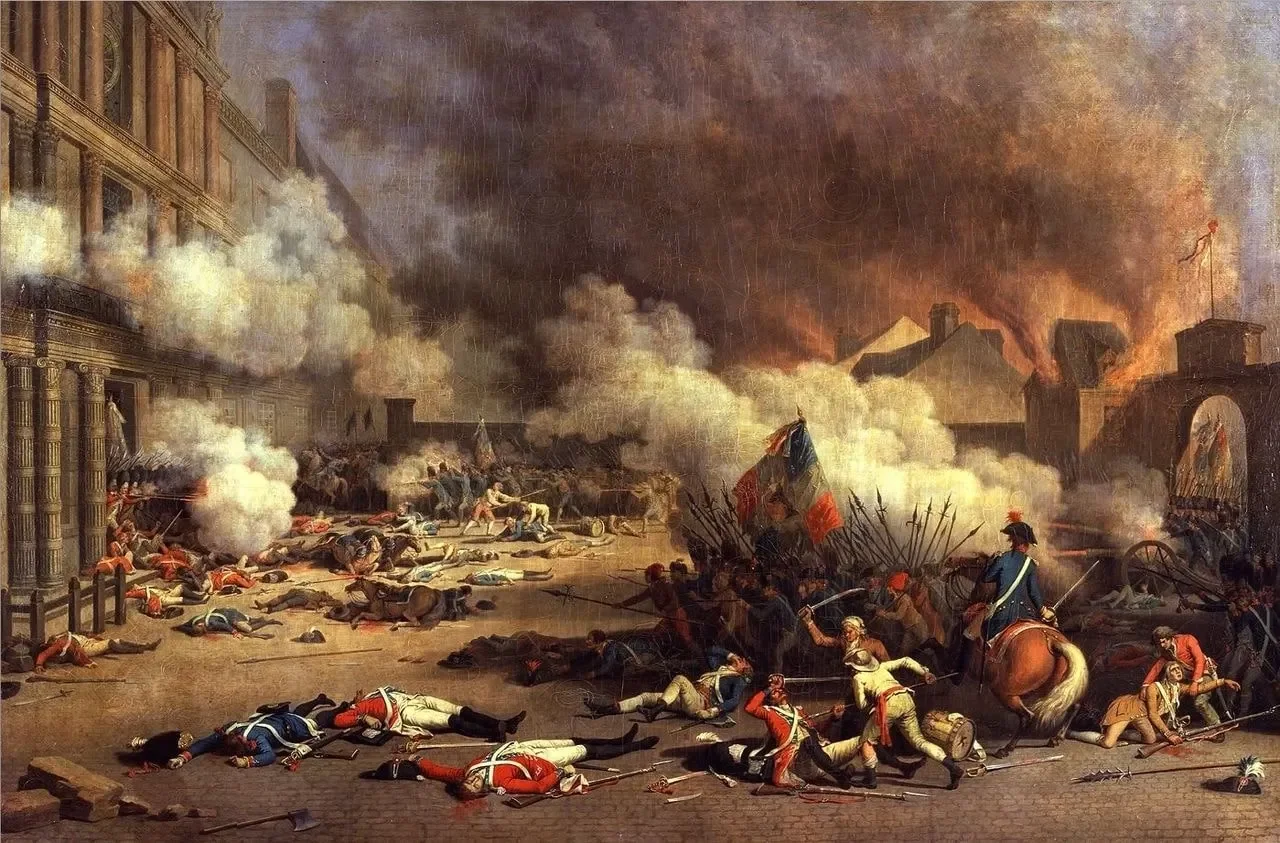
French Revolution — The birth of Modern Nationalism
A good origin of nationalism in the world history can be correlated to the French Revolution of 1789. The desire of the masses to overthrow the hegemonic powers of the clergy and nobility and constitute France as a republic that was for the aspirations of the people resulted in the storming of the Bastille and ultimately the overthrowing of the monarchy. The ideals of liberty and fraternity that we read today are owed to the French Revolution. This attempt, where the French people overthrew the power centre, became an inspiration for the masses in other nations to unite and create a common state for the people with the same nationality. This led to demands rising across Europe, as Germany for the Germans, and Italy for the Italians
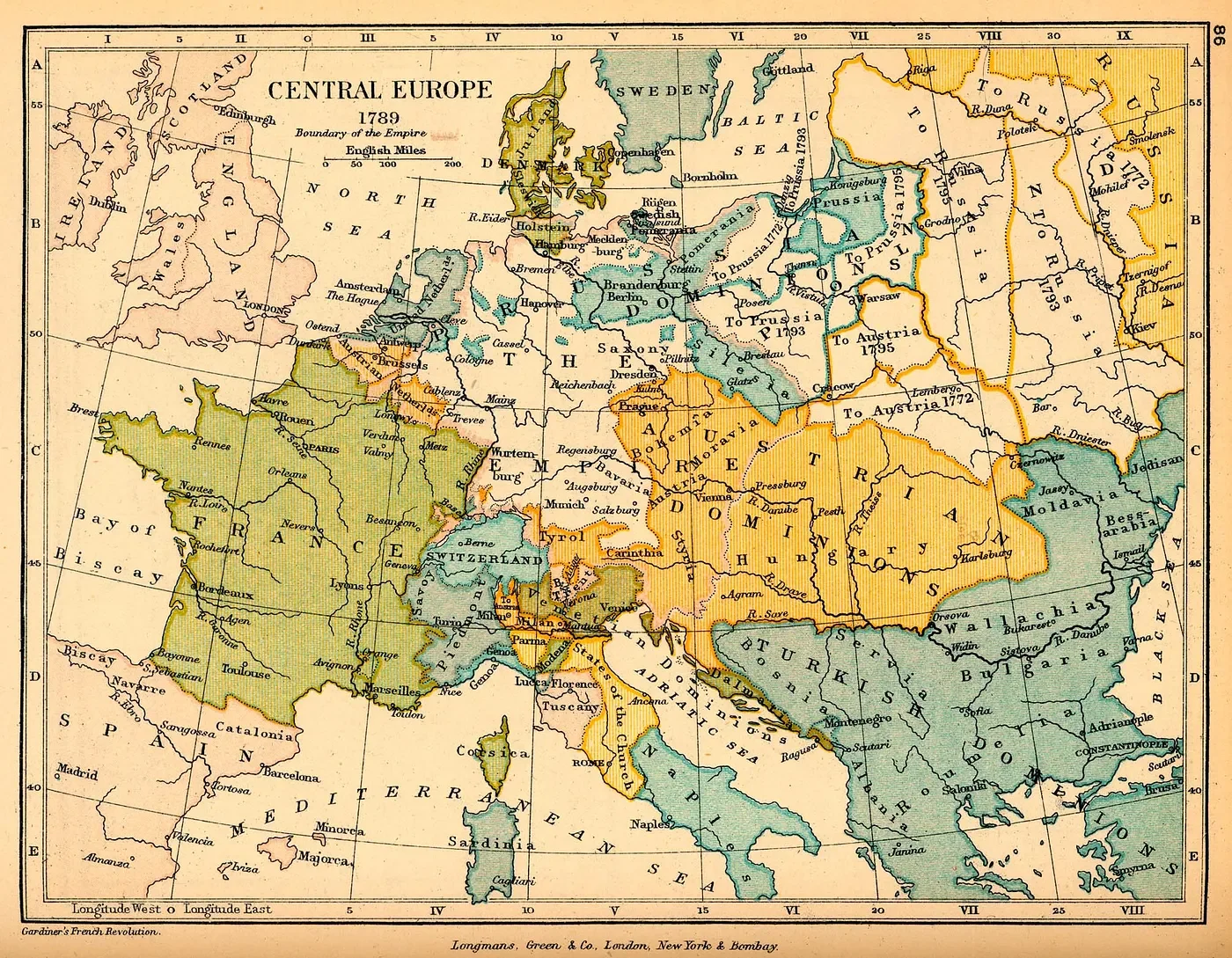
This is how the map of Europe looked like in the late 18th century, notice there is no independent Germany and Italy yet
Rise of Nationalism in Europe and across it
The years of 1830 and 1848 saw multiple revolts in Europe for the demand of an independent setup based on the identity of the nation. In Germany, for example, demands became rampant for both unification and for democracy and republic(however, it was ultimately in 1870 when finally such a dream came under the leadership of Otto von Bismarck). Elsewhere, apart from Europe, across the Atlantic Ocean we saw a wave of movement in South America where Simón Bolívar led the independence movements that freed Venezuela, Colombia, Ecuador, Peru, and Bolivia from Spanish colonial rule.
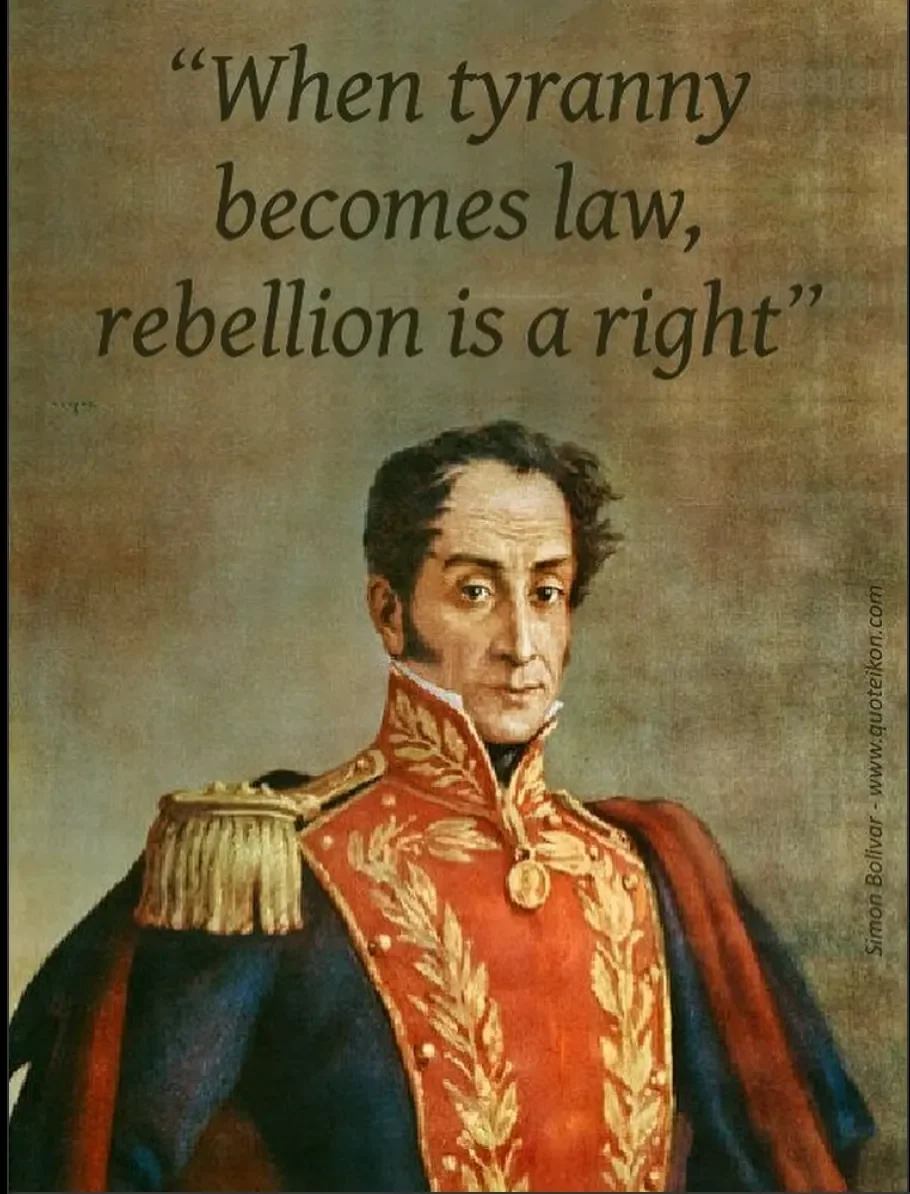
On July 5th, 1811, Venezuela became the first South American country to declare independence from Spain. Inspired by the dream of freedom, leaders like Simón Bolívar fought bravely to end colonial rule. That day marked the beginning of Venezuela’s fight for liberty — a fight Bolívar would lead across much of Latin America.
Now that we have more or less understood the idea and jargons involved, lets dive back to the main theme of discussion, an attempt to discuss nationalism from the lens of world history, and trying to bring a correlation to the idea of “Weakness is not an option”, a lesson which many countries in the today’s era of geopolitics need to subscribe to and shape according to the future needs.
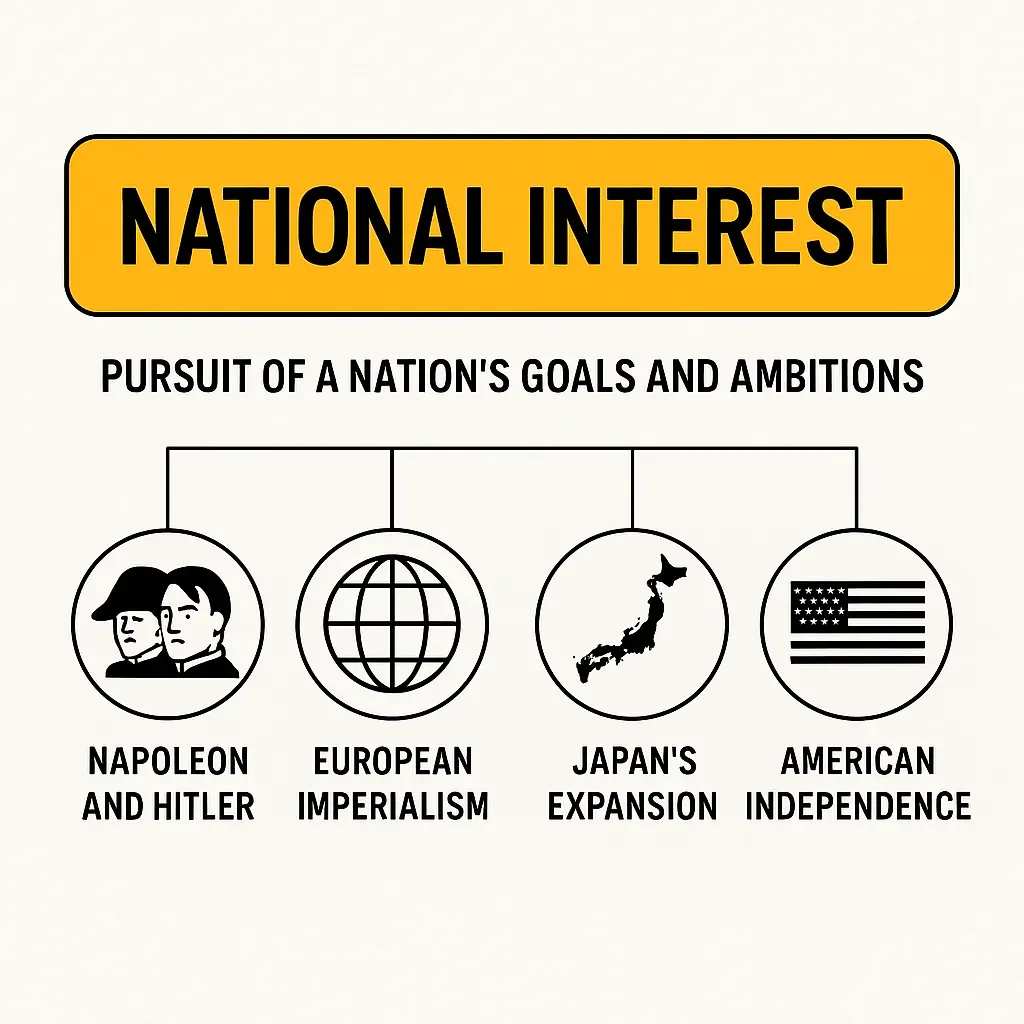
National interest, as and always a paramount key in the idea of nationalism
The key idea for all the discussions is national interest. Russia, for the greater national interest, allowed the likes of Napoleon and Hitler reach till Moscow and the inner areas of Russia, but when the time arrived(when Russia’s strongest ally, “snow”, came), Russians, with all their zeal, fought against the undefeatable Napoleon and Hitler. It was in the vision of national interest, for the idea of god, glory, and gold, that the nations of Europe travelled across the world to pursue their dreams of imperialism. From Japan’s attempt of getting natural resources when it entered Manchuria to Russia taking over the border around the River Amur to secure their geographical border, or the British settlers in the 13 American colonies declaring independence, everything can be tied to one single idea that is, national interest.
So in the upcoming discussions I would like the readers to always think in the sense of “national interest”, whenever coming across the examples from the pages of history and the correlation to the present geopolitics.
“The strongest and toughest are the ones who have left nothing to lose”. Israel became a country post World War 2, as an attempt by the West to provide residence to the Jews and correct the wrongs of anti-Semitism. The people of Israel knew that this might be the last chance they have to survive, cause they have nothing left to lose after all the trials and tribulations since the controversy that Jews were responsible for the demise of Jesus Christ. Be it the Arab Israel War, the 6 Day War, or the Yom Kippur War, Israelis never lost a single battle, a nation so tiny surrounded by nations hungry for its blood, fought strong and defeated all. The desire to survive and to live as a “Nation”, gave strength to the masses, and they very well knew here that “weakness was never an option”.
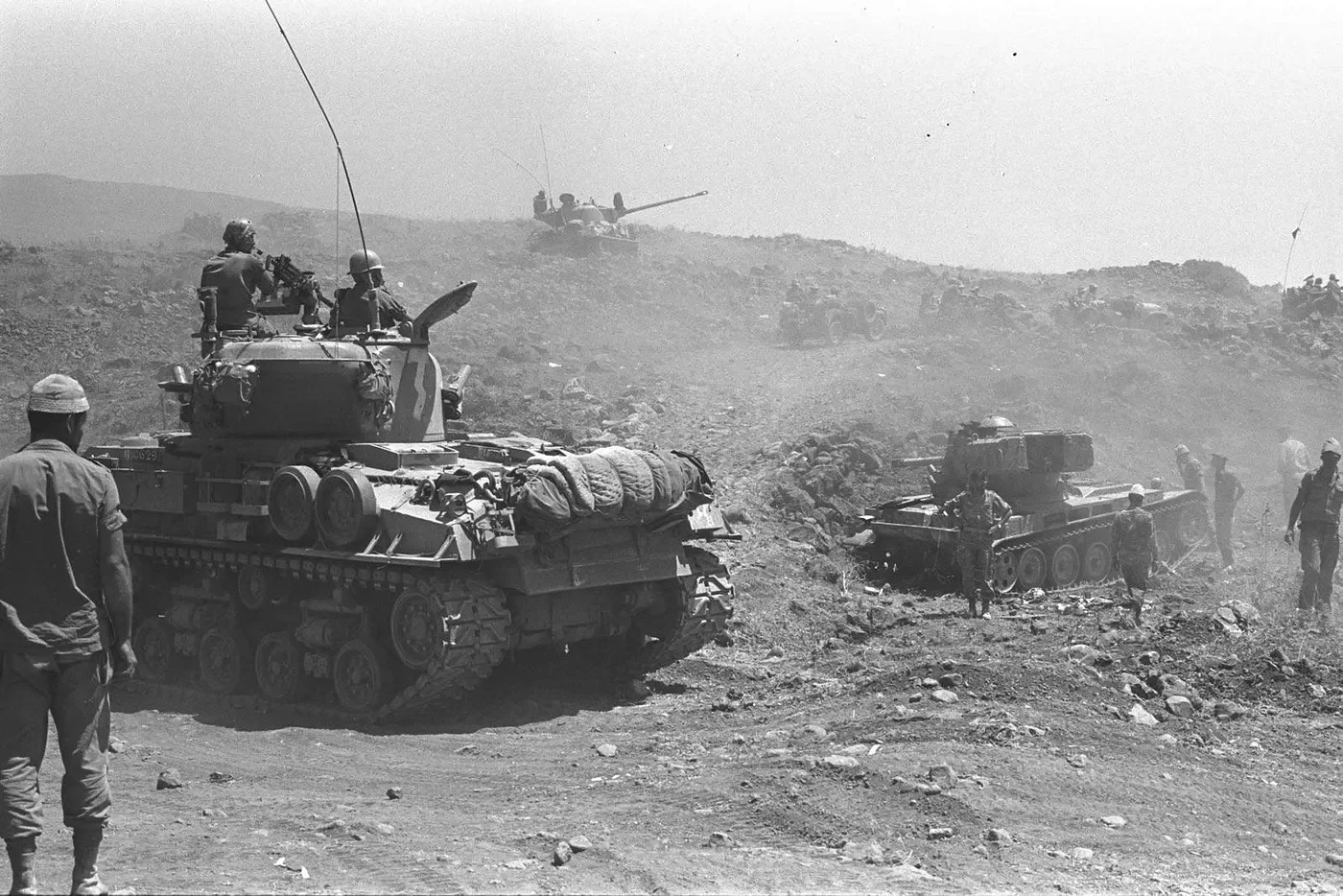
“The State of Israel is not just a place, but an idea, a dream, and a reality.” — David Ben-Gurion, first Prime Minister of Israel
I would like to link the discussion of Israel now with the ongoing issue in the South China Sea. China has been playing bully tactics in the South China Sea since long, and the Philippines understands that being submissive is not an option. As a response, they are preparing themselves for an imminent threat for what and when it may come. They are in an arms deal with India to acquire the BrahMos missile, and are also in a military grouping with USA with the name of SQUAD. The quote of Machiavelli here fits very well, “There are no ethics in the world of war and politics”, we are living in a world where countries might try to be living in an idealist world, but all are approaching the route via realist methods, and in such a case, you can never afford to loose sight for what might came at your back.
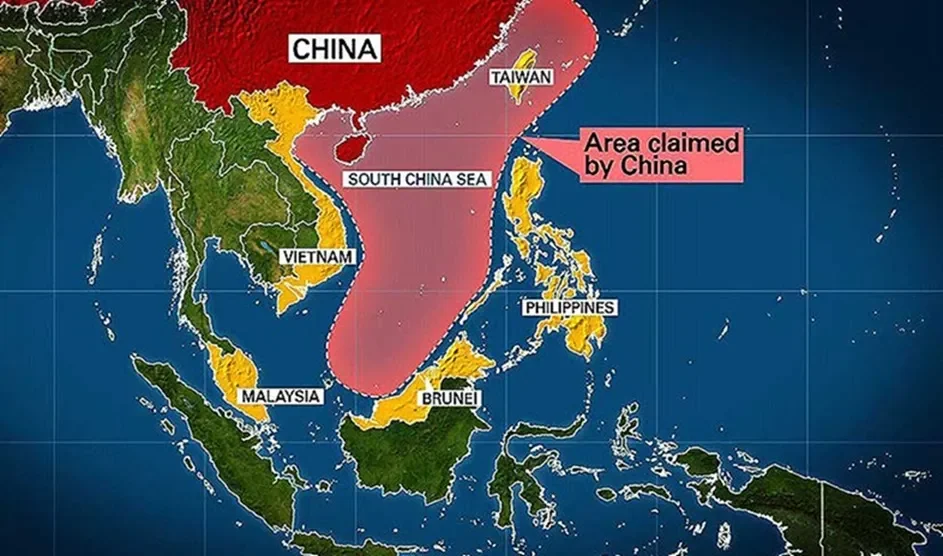
The nine-dash line in South China Sea is a set of line segments on maps used by China to demarcate its claims of historic rights to the South China Sea
It was all in plain sight when US started to abandon Ukraine during the ongoing Russia-Ukraine war. USA also has pledged to the safety of Taiwan in the view of aggression of China. But as former US Secretary of State, Henry Kissinger stated, “It may be dangerous to be America’s enemy, but to be America’s friend is fatal”, I am not surprised now that Australia sought a realist way out. Australia has had its issues with China in the Pacific, ranging from trade to the idea of navigation of seas,and what guarantee there is for the American friends to help when China launches a full scale invasion of Taiwan and grows defensive in the rest of the Pacific. So it was a very smart move from the side of Australia as it sought peace, and signed MoUs with China to quell tensions, and their fears on American friends not backing when the time comes is much more clear as the deal for nuclear submarines under the AUKUS grouping has yet not been fulfilled. (Seeking treaty and conflict resolution is not a sign of weakness, rather a show of diplomacy, the best win is when the war and tensions didn’t accelerated)
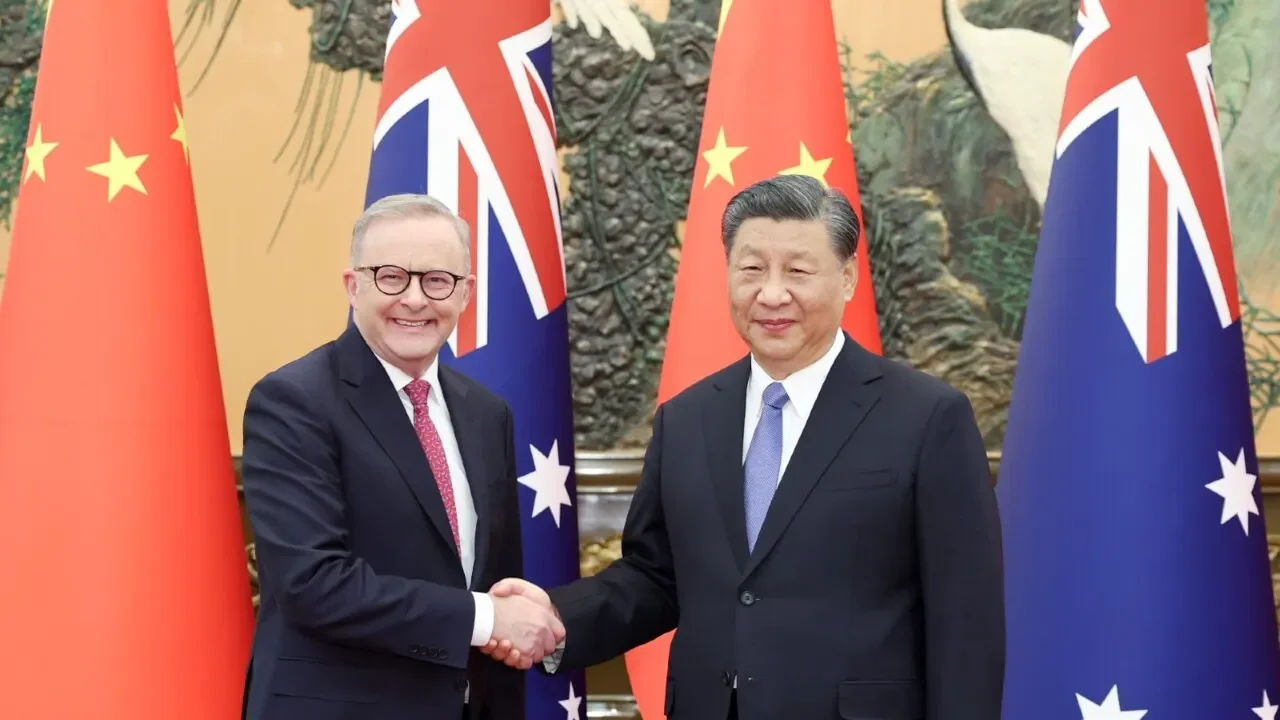
At the end of the day national interest is what is paramount
Impacts of ultra-nationalism
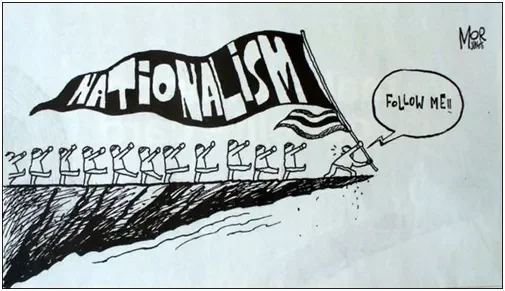
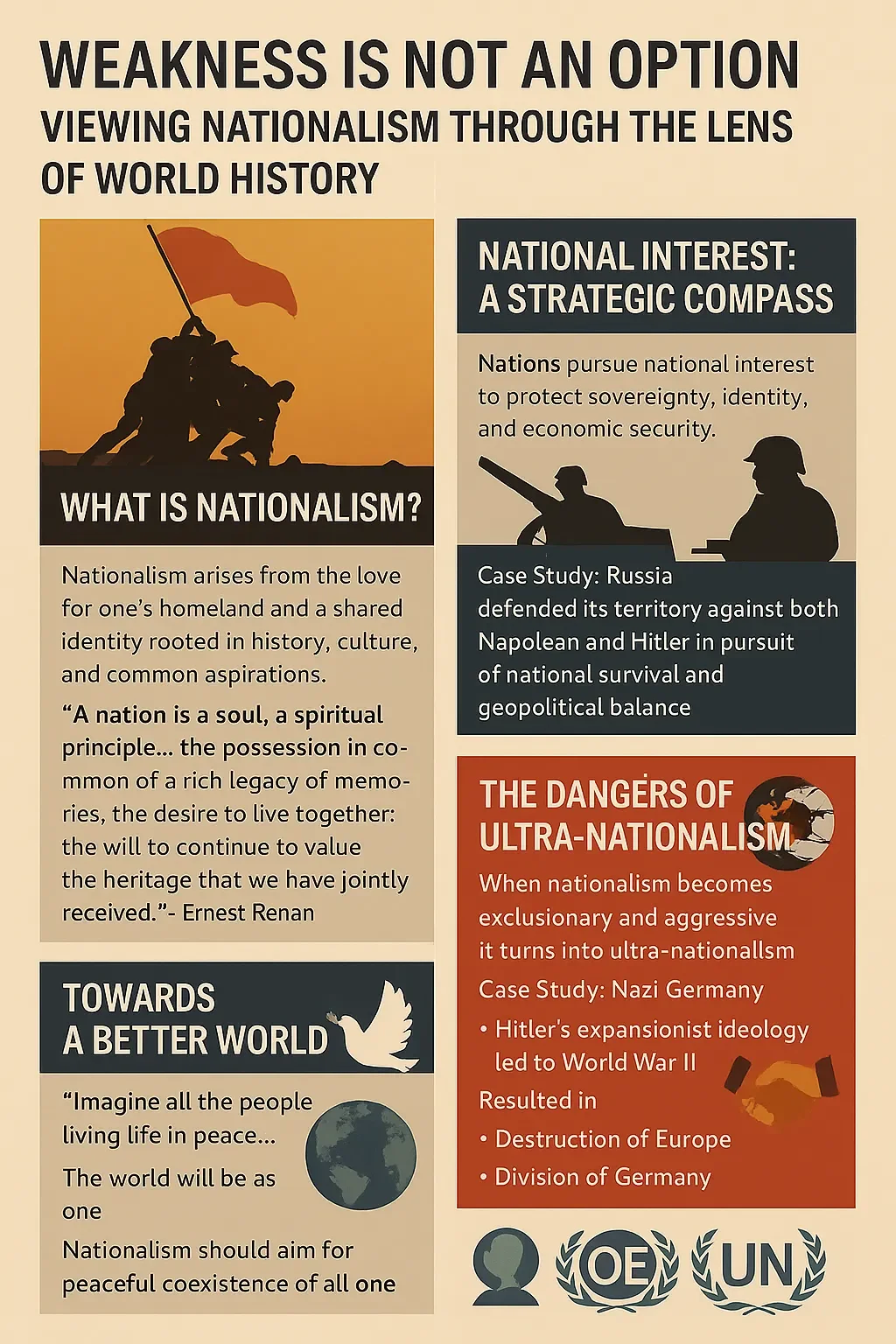
Remember that photo from above under the heading of nationalism, yep, this is the complete pic to that :)
Nothing is completely black and white, right? Nationalism seems very romantic, I love my nation for the culture I have and I will do anything to uphold for its name and legacy. But what if your nationalism leads to the demise of another, or to the worst for oneself? Hitler and his attempt to create a Nazi Germany, saw both the elements, not only did his idea of glory to the German state led to the fateful World War 2, amounting to millions dead in war and millions Jew perished in concentration camp, it ultimately bifuracted Germany into 2 states, namely Western Germany and Eastern Germany, both under the sphere of influence of foreign powers.
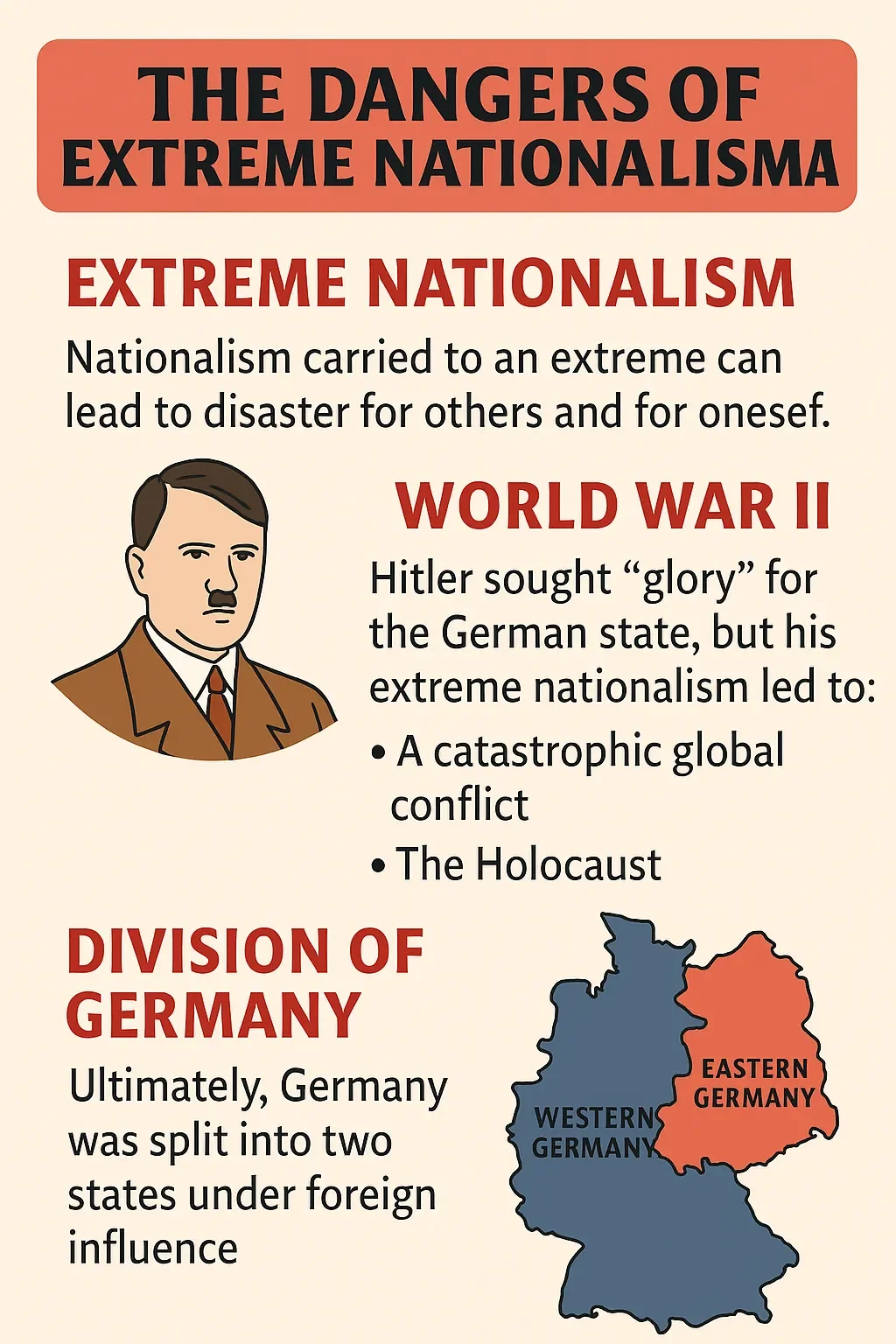
The call for Lebensraum meant death for many
Let’s dive the above example in the current geopolitics. Pakistan, what is its national interest, if I can brilliantly put out what these guys export is Terrorism, and what their only attempt is to disrupt peace in the region. Their country is in perils as far as economy, food security, and energy security is to be said, yet their attempt to be in bed with both terrorism and China not only is impacting the overall stability and peace of the Indian subcontinent but is also leading to chaos and turmoil for the citizens of Paksitan as can be seen via the attempt of Balchuistan to become an independent state or the cries of farmers in Sindh province of Pakistan while the areas around Punjab and Rawalpindi thrive with the collusive corruption their national interest gets them.
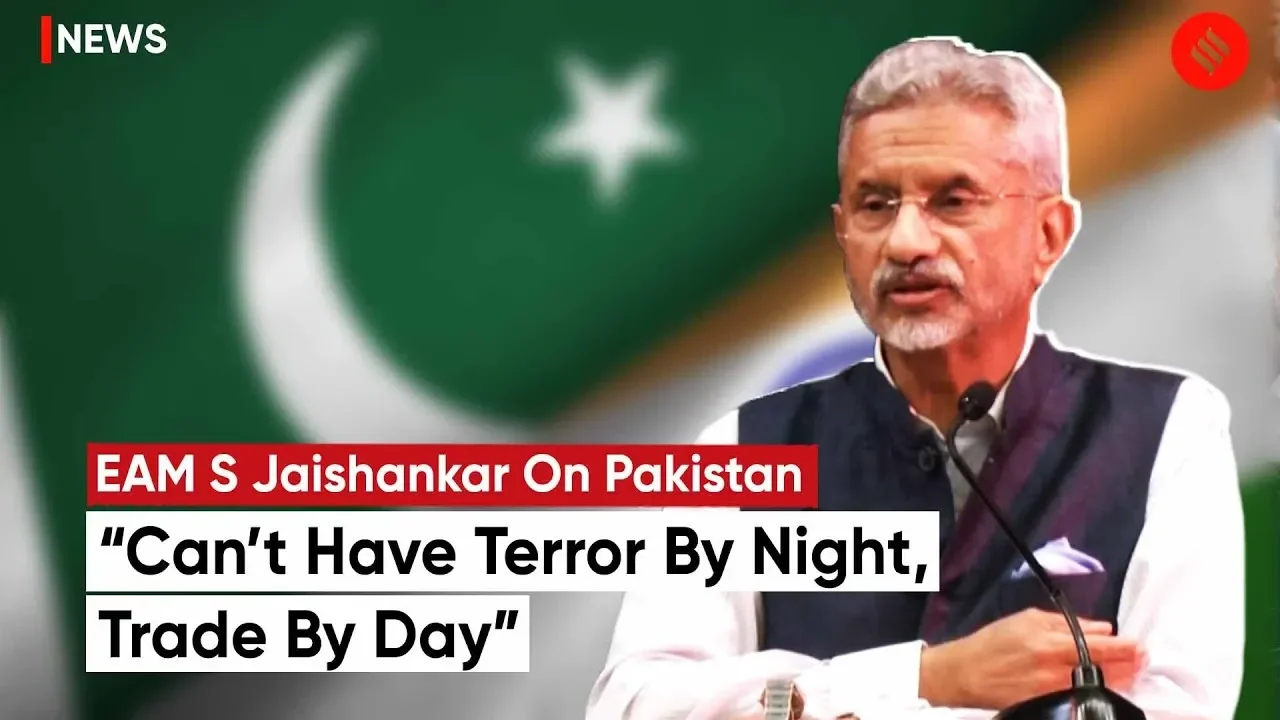
“Terrorism is the greatest threat to humanity”. Any peace if it may lies when Pakistan mends its ways and actions
Another tale from World History which yet still exists is the imperalistic and attempt to dominate the rest of world with the own set of ideology has been the Western Block of Europe and USA in itself. The countries infamous for the colonalism they did, the Scramble of Africa, the dismantling of culture of tribals in Pacific Ocean, try to give a lecture to the rest of the world to not trade with Russia during the ongoing crisis, whilst, itself being dependent on trade and natural gas with Russia calls for the myopic nationalism that the so called messiahs for liberty hold. It was the national interest of the USA that led to the origin of Mujahedeen in Afghanistan and the desire to contain the rise of USSR that the agencies of CIA and MI6 conducted covert operations of coup across the globe, even if it meant to install a leader that was dictator.
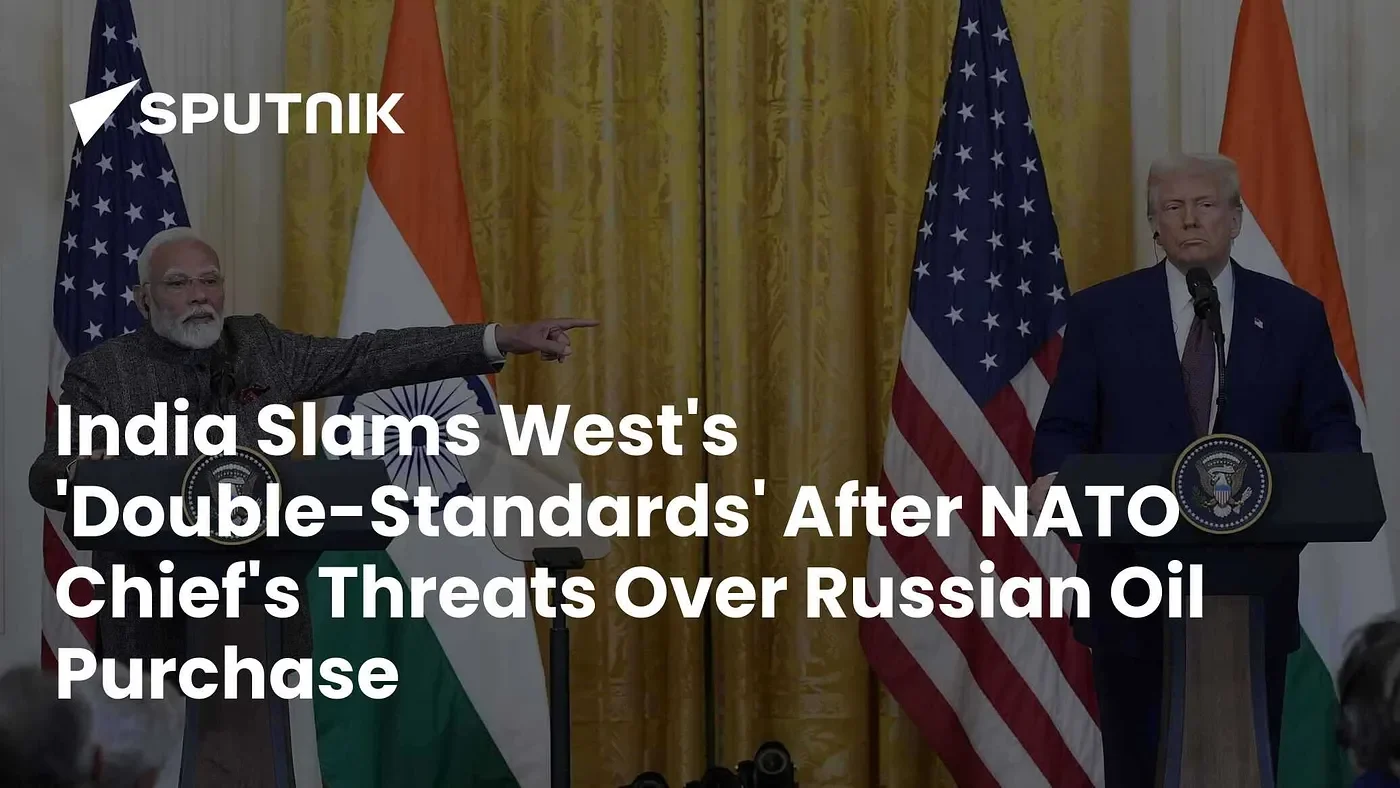
India cautions against double standards amid U.S. consideration of 50% duties on Russian oil buyers.
Closing Remarks for the discussion
“Imagine there’s no countries It isn’t hard to do Nothing to kill or die for And no religion too Imagine all the people Living life in peace You may say that I’m a dreamer But I’m not the only one I hope someday you’ll join us And the world will be as one” — John Lennon, Imagine
The above poem by John seems too romantic and fiction for the real world but is what can we actually wish or aspire for. The national interest of the West hasn’t helped so far, all it has led is to war and chaos. The one solution that we can look at is for the idea that India wishes to promote to the world of “Vasudhaiva Kutumbakam”, aka the world is one family. At the end of the day I feel we as common citizens of the world and the leaders of our nation should not just see the lens of nationalism from the present time of building and sustaining legacy but also wish to create a world where the future generations can live peacefully and with capabilities to grow ahead. The US-Iran deal of 2015 of JCPOA also came when the diplomats at both end connected emotionally sharing family pictures with each other. For any hope we might have it might be on creating a better world for the generations to come by, because the real king is the child of today that will lead the tomorrow’s world. [Who is the King? The King is the child reference has been build in lines to the discussion between Shikhamaru and Asuma from the anime TV series Naruto:)]
I hope the readers enjoyed the blog.
