
Period Poverty, Stigma, and the Unfinished Business of Indian Feminism
Menstruation is a biological fact. In India, it has been made into a moral failing. And when you combine the shame that surrounds a woman's body with the poverty that governs her choices, the result is not just discomfort, it is a lifetime of diminished possibility.
The Scale of the Crisis
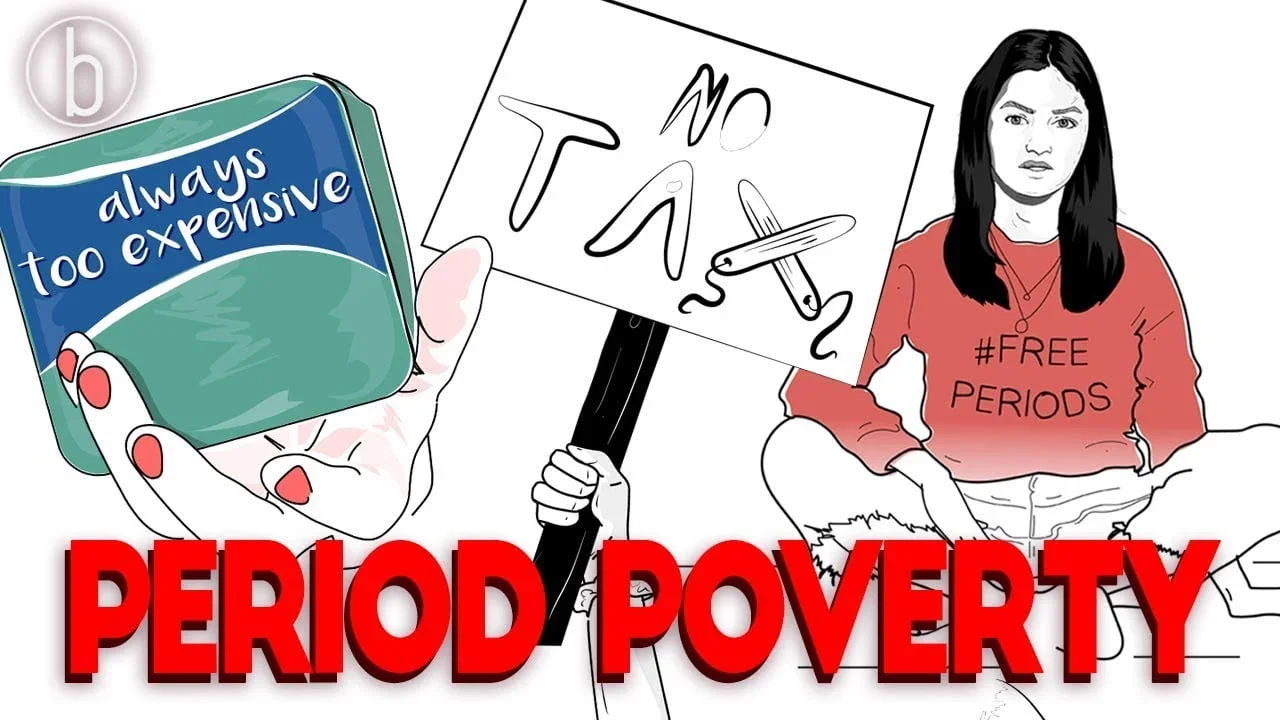
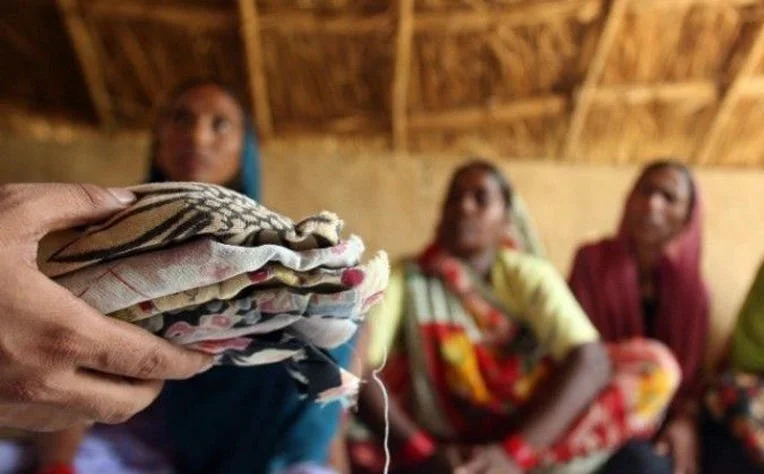
India is home to approximately 355 million menstruators. Of these, around 12% cannot afford menstrual products at all. More than 30% of women between the ages of 15 and 24 do not use any hygienic method of protection during their period. Every year, an estimated 23 million girls drop out of school because of a lack of adequate menstrual hygiene facilities. One in ten girls below the age of 21 in India cannot afford sanitary products and resorts to unhygienic substitutes; rags, cloth, hay, ash, sand, newspaper, or plastic bags, that carry serious medical risks. And yet, for too long, this crisis has been spoken of in whispers, if at all.
Period poverty is not simply about products. The United Nations defines it as the inability to afford and access menstrual products, sanitation and hygiene facilities, and the education and awareness needed to manage menstrual health. In India, all three of these pillars are compromised, simultaneously and intersectionally. The product problem is layered over a hygiene infrastructure problem, which is itself embedded in a knowledge problem, which is itself rooted in a cultural silence so deep that, according to research, 71% of Indian adolescent girls are completely unaware of menstruation until they experience their first period. Their parents, who know it is coming, rarely tell them. That silence is not accidental. It is taught.
The economic dimensions of period poverty in India are stark. The average monthly cost of menstrual products in India is around 300 rupees. For a daily wage worker earning around 190 Rs. a day, that monthly expense represents around two days of labour. For the millions of women and girls in informal employment, seasonal agricultural work, or domestic labour, or for those with no income at all, this is not a minor line item. It is an impossible one. Every month, the calculation is made: sanitary products, or food, or transport, or school fees. Women in this position are not making irrational choices. They are making the only choices available to them.
The urban-rural divide sharpens this picture further. According to NFHS-5 data, while 89.37% of women in urban areas exclusively use hygienic period products, only 72.32% of women in rural areas do the same. In states like Bihar, where only 23% of schools were equipped with separate restrooms for girls, the gap is not only financial — it is infrastructural and institutional. A girl who gets her period at school in rural Bihar, with no private facilities, no products, and no language to explain her situation, faces a choice between her dignity and her attendance. Millions choose to stay home. Millions do not return.
The Stigma That Makes Everything Worse
Period poverty does not exist in a vacuum. In India, it is inseparable from one of the most pervasive and entrenched systems of social control over women's bodies: the cultural stigma surrounding menstruation.
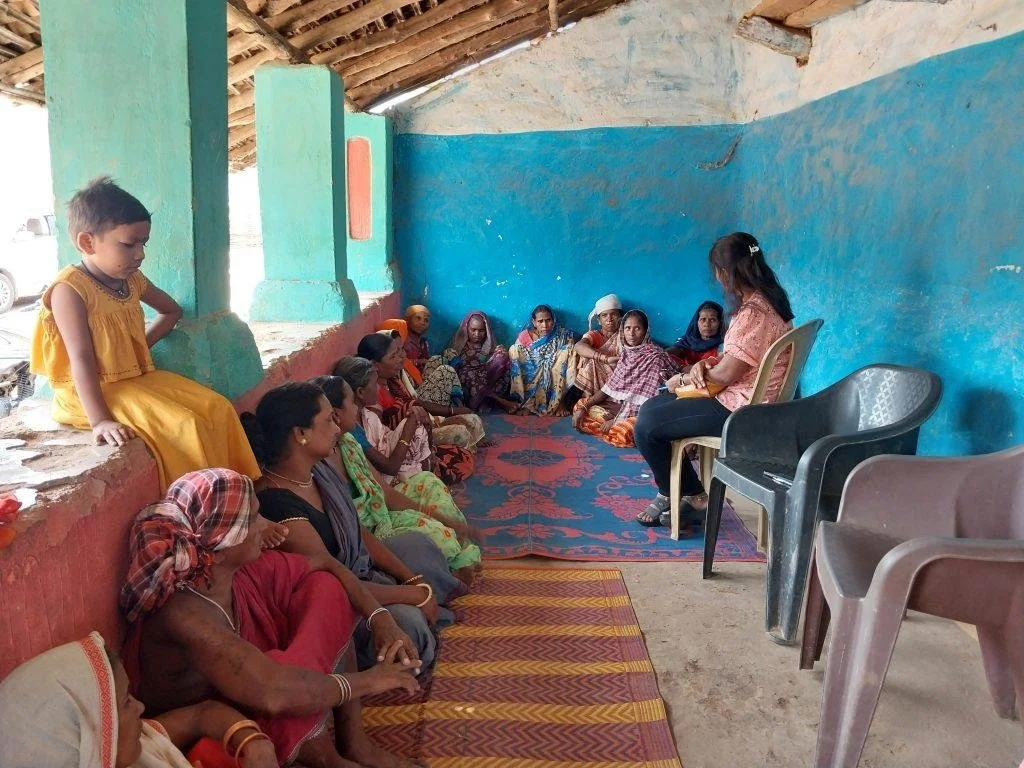
Menstruation in India has been coded for centuries, across Hindu religious texts, folk traditions, and community practices as a state of impurity. A menstruating woman is, in the dominant cultural imagination, polluted, unclean, and contaminating. The consequences of this belief are experienced in the most intimate corners of daily life. Women are routinely excluded from kitchens, one study of 400 adolescent girls found that 325 were not allowed to enter the kitchen or cook food during their period. The same study found that 85% were not allowed to touch the pickle jar, a prohibition so absurd it would be comic if it were not so representative of the broader logic that governs menstruating women's freedom of movement. Women are barred from entering temples, attending religious ceremonies, participating in festivals, and sometimes even sitting with other family members.
The social isolation can be more extreme. In some communities, particularly in parts of Rajasthan, Odisha, and Maharashtra, menstruating women and girls are made to sleep in separate sheds, cowsheds, or outside the home during their period. These practices expose women to cold, insects, predatory animals, and violence. There have been documented deaths. And yet they persist, because the alternative, challenging the logic of pollution that underpins them would mean challenging a much larger architecture of caste and religious hierarchy that benefits from women's subordination.
The Sabarimala temple controversy, which reached the Supreme Court in 2018, illustrated the degree to which the state itself had historically endorsed menstrual stigma. The Court's ruling, that women of menstruating age could not be barred from the temple, was a significant legal corrective, but the mass protests that followed, in which women were violently prevented from exercising their newly affirmed right, demonstrated something important: the law can change before the culture does, and culture, in this case, had the backing of an enormous mobilised constituency.
What this stigma does to period poverty is not peripheral, it is constitutive. When menstruation is a source of shame, it cannot be spoken about. When it cannot be spoken about, needs go unvoiced. When needs go unvoiced, they go unaddressed. Girls who do not know what is happening to their bodies cannot ask for help. Women who are taught that their bodies are impure during menstruation cannot easily advocate for their own hygienic needs. Families who treat menstruation as a source of ritual contamination will not prioritise spending on menstrual products. Schools that cannot name menstruation cannot create facilities for it. The silence that stigma produces is, in a very literal sense, a material deprivation.
Tampons, Menstrual Cups, and the Virginity Problem
In this context, it is worth examining what happens to the products that might actually offer women the most freedom, cost-effectiveness, and hygiene and why they remain so marginal in India.
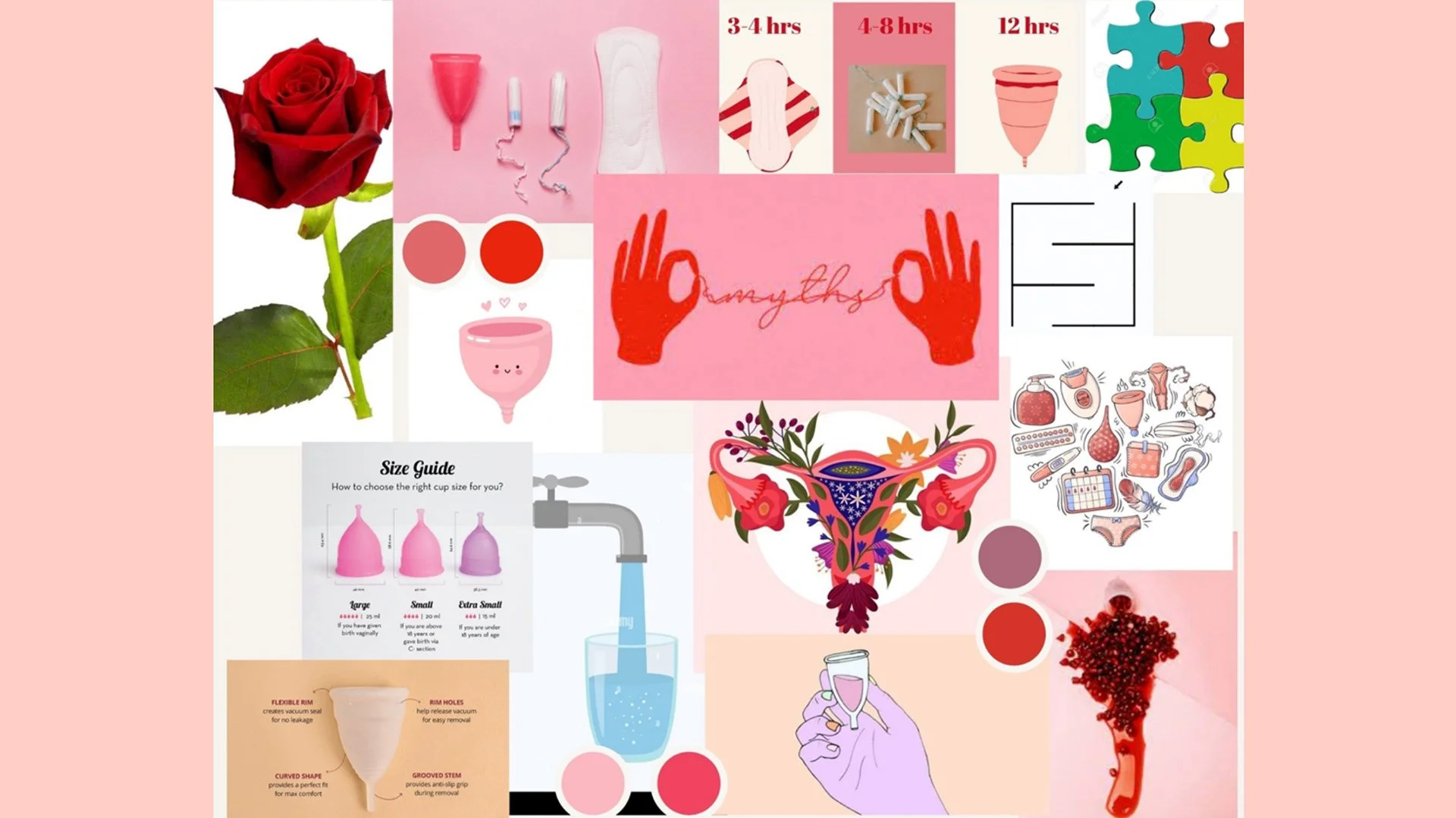
The menstrual cup, by any objective measure, is close to an ideal menstrual product for a country facing period poverty. A single cup costs between 200 and 1000 rupees and, if properly maintained, lasts up to ten years. Over that decade, it would cost a fraction of what pads or tampons cost cumulatively. It does not require the continuous expenditure that sanitary pads demand. It is eco-friendly, reducing the enormous volume of plastic menstrual waste that India generates. It is safe, effective, and endorsed by gynaecologists. And yet, in India, it remains a product of limited adoption, particularly among lower-income and rural women, not primarily because of cost, but because of culture.
The barrier to menstrual cup and tampon use in India is, at its core, the barrier of virginity. The hymen, in the Indian cultural imagination, is not merely a piece of tissue; it is the container of a girl's honour, her family's reputation, and her marriageability. The idea that using an internal menstrual product could 'break' the hymen which itself is a medical misconception, terrifies families and women alike.
The result is a set of misconceptions that drive women away from products that could genuinely improve their lives. As gynaecologist Arun Gupta has documented, 'misconceptions like using insertables could widen the vagina or that a tampon could get lost in your vaginal passage have swayed women away from cups and tampons.' Research published in April 2025 in the Indian Journal of Community Medicine found that nulliparous women face unique obstacles to menstrual cup adoption, including 'fears and restrictions related to the unscientific concept of virginity,' compounded by limited awareness of their own reproductive anatomy and minimal social support.
This is the point at which the stigma around menstruation intersects with the broader sexual policing of women's bodies. The same cultural framework that declares menstruating women impure also declares sexually active unmarried women dishonourable. The same logic that uses the period as a mechanism of social control uses the hymen as a mechanism of surveillance. They are not separate phenomena. They are expressions of the same underlying architecture: the idea that women's bodies belong not to women, but to the social order that organises itself around controlling them.
Dr. Taniya Kaul, Director and Educator at Myna Mahila Foundation, has put it plainly: 'While women's reproductive health, specifically menstruation, has entered social chatter via social organisations and government initiatives, the stigma associated with periods is deeply entrenched among Indians, irrespective of socio-economic backgrounds.'
The Health Consequences No One Talks About
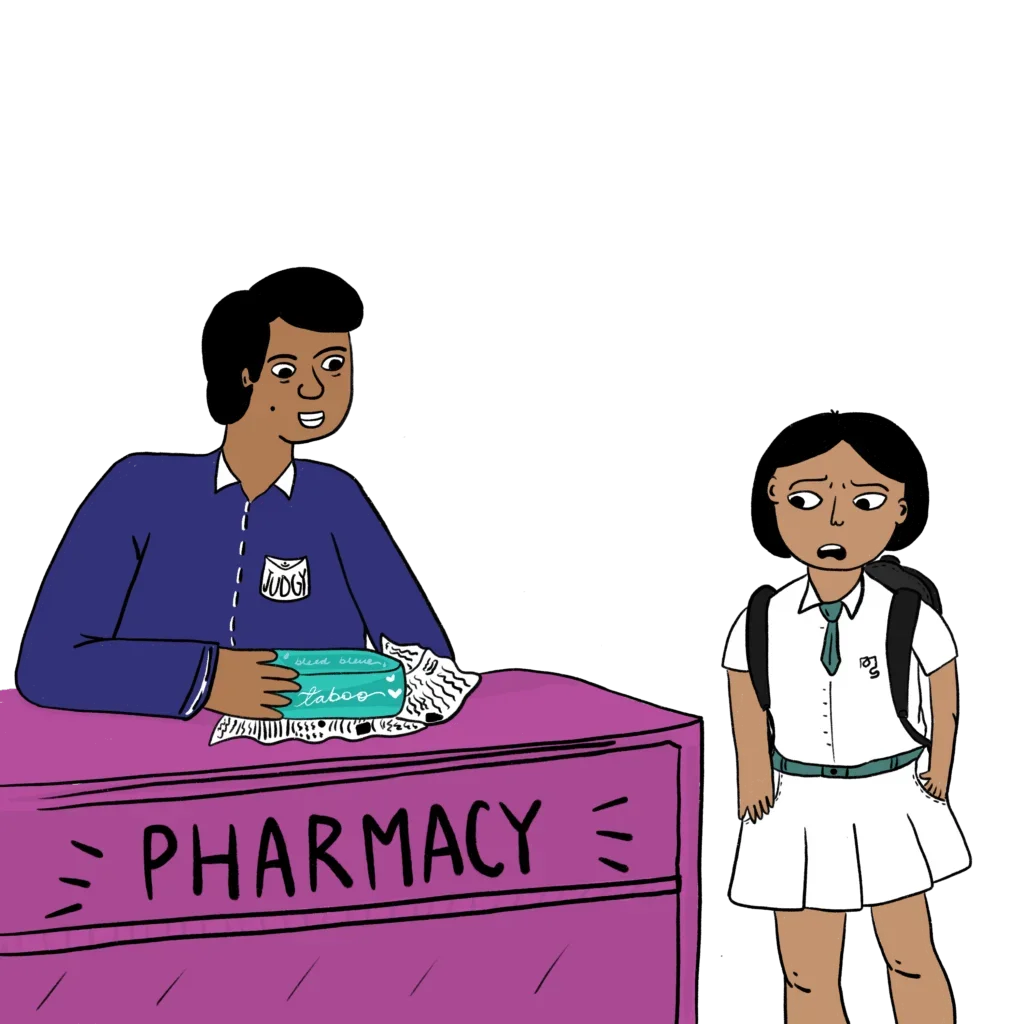
Period poverty is a health crisis, but it is a health crisis that the healthcare system has been remarkably reluctant to engage with, partly because, in a culture where menstruation itself is not discussed, menstrual health problems are even more unspeakable.
The physical consequences of inadequate menstrual hygiene management are severe and well-documented. Research published in the International Journal of Community Medicine and Public Health found that 62% of participants exhibited symptoms of Reproductive Tract Infections (RTIs), lower abdominal pain, painful urination, and discharge, reflecting the direct health impact of poor menstrual hygiene. The use of unhygienic materials rags, cloth, ash, sand, creates conditions that facilitate bacterial and fungal infections. An estimated 70% of all reproductive health issues are caused by poor menstrual hygiene.
And yet 91.7% of women in India do not seek medical help for menstrual health issues, largely due to the lack of female doctors. A 2024 study surveying 6,715 girls across 16 states found that only 14.3% sought treatment from health professionals for menstrual health issues. These are girls whose bodies are suffering, in silence, because the culture around them has made the subject of their suffering unspeakable.
The mental health dimension is equally significant. Girls who experience their first period without preparation or information describe feelings of terror, humiliation, and confusion. Women who are excluded from their families and communities during menstruation describe loneliness, worthlessness, and grief. The cumulative psychological weight of a lifetime of being told that a natural bodily function makes you unclean and unworthy, that weight does not simply evaporate when the period ends.
Caste, Class, and the Intersectional Lens
Any serious analysis of period poverty in India must grapple with caste. The cultural stigma around menstruation does not operate uniformly across Indian society; it is deeply intersected with caste hierarchy, and the feminist analysis of period poverty is impoverished if it fails to account for this.
Scholar Deepthi Sukumar has argued compellingly that menstrual taboos in India are not simply the product of generic patriarchy, they are part of the architecture of caste itself. The logic of purity and pollution that structures caste hierarchy is the same logic that governs the treatment of menstruating women. Upper-caste menstrual taboos, the prohibitions on entering kitchens, temples, and sacred spaces, are, in part, mechanisms of caste purity enforcement. And the body that is declared impure during menstruation is in many ways analogous to the Dalit body, which is treated as permanently and irreversibly impure. Dalit women face the compound disadvantage of being both female and of subordinated caste, making their access to menstrual products, healthcare, and dignity even more constrained than the average figures reveal.
It is equally important to recognise that middle-class urban Indian feminism has sometimes approached the period poverty debate through a narrow lens, focusing on the tampon, the menstrual cup, and the free-bleeding campaign as primary feminist interventions, without adequately addressing the structural poverty and caste-based exclusion that makes even a basic sanitary pad inaccessible to millions of women. Academic critiques of the Padman film (2018) have pointed out that its representation was a 'liberal and superficial' take on menstruation that avoided the caste lens entirely, leaving untouched the deeper structures that perpetuate menstrual inequity.
What the State Has Done and Not Done
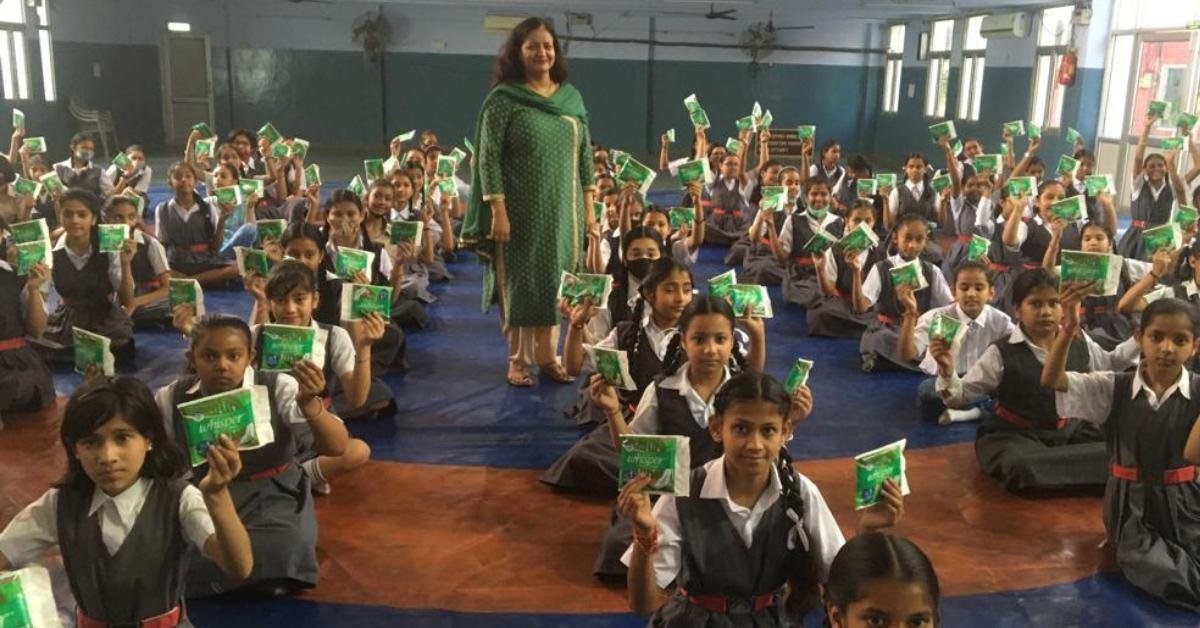
India's government has, in the past decade, made some meaningful moves on menstrual hygiene. In 2018, sanitary pads were exempted from the Goods and Services Tax (GST), removing a 12% levy that had been widely criticised as a 'tampon tax.' The Supreme Court directed central and state governments to provide free products and separate toilets in government schools. In November 2024, the Union Health Ministry formally approved a Menstrual Hygiene Policy for School-Going Girls, mandating free sanitary pads, hygiene kits, provisions for separate girls' toilets, and safe disposal systems.
These are not nothing. But the gap between policy and implementation in India is vast. Bihar had only 23% of schools equipped with separate restrooms for girls in available data. The policy exists; the infrastructure does not. And even where products are distributed, the stigma remains. A sanitary pad in a girl's hands does not, by itself, undo the cultural messaging that told her menstruation is shameful, that internal products are a threat to her honour, that her body is a source of contamination rather than capability.
Fos Feminista's February 2026 analysis of India's landmark menstrual health ruling noted the Court's recognition that 'privacy, dignity, and bodily autonomy are outcomes that are directly linked to the availability of and access to menstrual-friendly infrastructure and commodities.' But the same analysis noted a 'particularly egregious gap' in the judgment's silence on caste, religion, and the needs of transgender, non-binary, and intersex individuals who menstruate. Progress is real, but selective. The most marginalised are still waiting.
Period Poverty and the Feminist Project in India
What does period poverty mean for Indian feminism? It means that the feminist project in India cannot be complete, cannot even be coherent without a direct, uncompromising confrontation with the stigma, silence, and structural deprivation that govern millions of women's monthly experience of their own bodies.
Indian feminism has, in recent years, grown significantly in its visibility and ambition. The Nirbhaya movement produced landmark legal reform. The Sabarimala verdict pushed back against institutionalised religious exclusion. Campaigns like Break the Shame and Happy to Bleed used social media to challenge menstrual taboos directly, forcing a reckoning with the mythology of impurity that had gone largely unchallenged in public discourse.
But these campaigns have sometimes been critiqued, fairly, for speaking primarily to and from urban, educated, upper-caste women. The woman tweeting #HappyToBleed from her smartphone is making an important cultural statement. She is also, structurally, far removed from the girl in rural Rajasthan sleeping outside her home during her period, or the garment worker in Tamil Nadu who had her uterus removed because factory managers found menstruation inconvenient, or the street child in Delhi who cannot afford the 300 rupees a month that hygiene would cost.
Period poverty, at its root, is a feminist issue because it is a question of bodily autonomy, the most fundamental feminist value. A woman who cannot safely manage her menstruation is not free. A girl who drops out of school because of inadequate hygiene facilities is not equal. A woman who cannot use the most effective menstrual product available because her culture has tied her bodily integrity to her sexual honour is not autonomous. A woman who is excluded from her own kitchen, her place of worship, and her community for five days a month is not treated as a full person.
The stigma around periods does not just cause inconvenience. It produces, and reproduces, the idea that women's bodies are inherently problematic, that the female body, in its natural functioning, is a source of danger and pollution requiring management and restriction. This idea is the foundation of a much larger edifice of gendered control. It shapes how women are treated in healthcare settings. It shapes how girls are educated — and whether they are educated at all. Dismantling it is not a peripheral feminist concern. It is central.
Menstrual justice demands not just products and toilets, but the recognition of menstruation as a normal, dignified, unremarkable aspect of human experience. It demands that the infrastructure, cultural norms, institutional practices, and legal frameworks of society be built with menstruating people in mind and not as exceptions to be accommodated, but as full participants to be included.
Conclusion: The Body as a Battlefield
A woman in rural Bihar who wraps a piece of cloth around herself because she cannot afford a sanitary pad, and who does so in silence because she has never been taught words for what is happening to her body, and who will not seek a doctor because there is no female doctor to seek, and who is sleeping in the shed because her mother-in-law says she is impure, and whose daughter will miss school this week because the toilet has no lock, that woman is not experiencing five separate problems. She is experiencing one problem, expressed through five different dimensions. The problem is that her body has been made into a site of shame, and that shame has been allowed to dictate the terms of her life.
Period poverty is the material form that menstrual stigma takes in the lives of poor women. It is the point at which culture meets economics and produces deprivation. Tackling it requires interventions at every level, economic, infrastructural, educational, cultural, and legal. But above all, it requires the feminist insistence that this is not a private matter, a hygiene matter, or a development matter. It is a human rights matter.
The battle for menstrual justice in India is, ultimately, the same battle as every other feminist battle being fought on this soil: the battle for the radical, unremarkable proposition that women are fully human.
Data and reportings from the National Family Health Survey-5 (NFHS-5), NCBI, the Observer Research Foundation, Feminism in India, Fos Feminista, The Borgen Project, The Established, The Swaddle, the Palgrave Handbook of Critical Menstruation Studies, SPRF India, and the Social Policy and Research Foundation, among other sources.
