
Western Feminism vs Indian Feminism - 2 Theories
While Western feminism largely fought to liberate the individual woman from traditional family structures, Indian feminism has historically fought to redefine the woman’s power and safety within them.
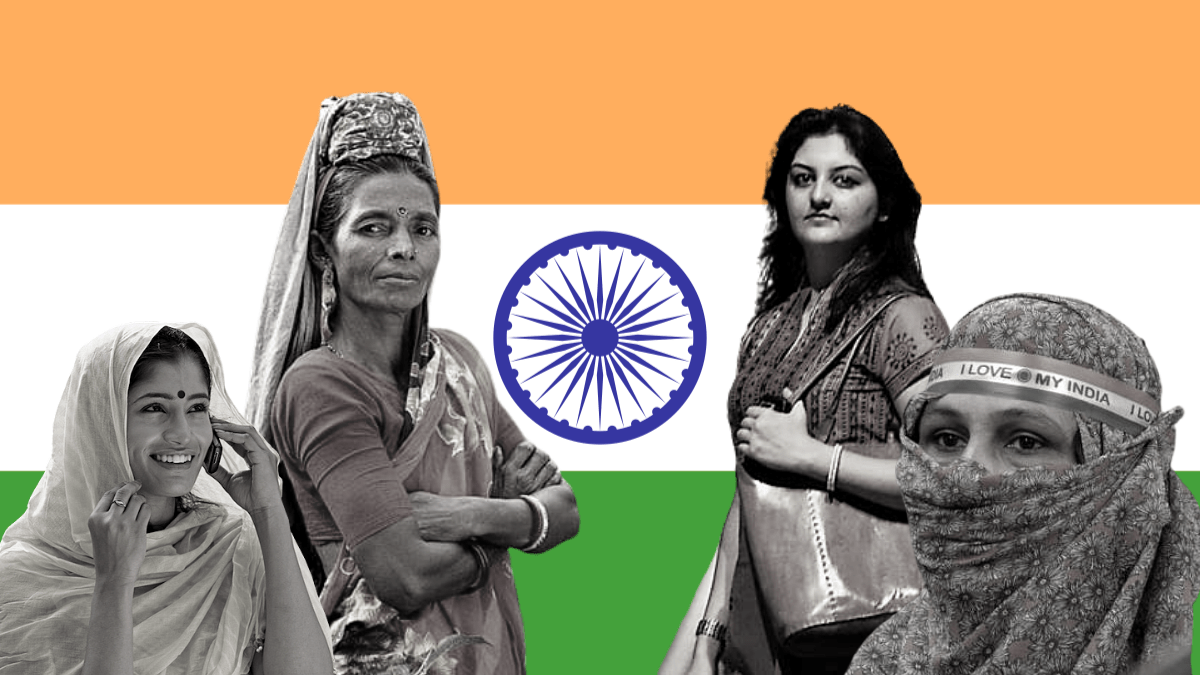
To compare Indian and Western feminism is not merely to compare two movements that started in different places. It is to confront two fundamentally different philosophical traditions about what a person is and therefore what liberation means.
Western feminism grew from the soil of Enlightenment liberalism. Its foundational premise is the autonomous individual: a subject with rights, agency, and the capacity for rational self-determination. Liberal feminism, born in Western countries out of the contact of educated women with liberal ideas, applied the philosophy of liberalism to gender equality; the oppression of women lies in their lack of political and civil rights, and liberation is achieved by establishing equal opportunities for both men and women. The Seneca Falls Convention of 1848, often considered the formal birth of organized Western feminism, was built on exactly this logic: women, as individual citizens, were being denied the rights owed to them under a social contract. The demand was inclusion into an existing liberal order such as suffrage, property rights, equal pay, and access to education.

This philosophical lineage has consequences. Western feminism, even in its more radical forms, tends to centre the individual woman as the unit of analysis. Its victories, reproductive rights, workplace equality, the criminalization of domestic violence are victories of individual protection and individual freedom. As of 2026, the United States ranks 42nd in the world on gender equality according to the World Economic Forum's Global Gender Gap Report, which tells us that even within its own framework, the Western project is incomplete. But crucially, the framework itself remains largely intact: the conversation in the West is about removing structural barriers to a woman's individual flourishing.

Indian feminism begins from a categorically different philosophical position. The individual is not the primary unit; the community, the caste, the family, the religious identity all precede the individual in social life. Unlike the Western focus on individual identity, Indian feminist politics recognize the inadequacy of broad categories like "woman," emphasizing the intersection of caste, religion, and other social factors. This is not merely an academic observation; it shapes what Indian women actually need. A Dalit woman in Uttar Pradesh and an upper-caste woman in South Mumbai both experience gender oppression, but the nature, source, and institutional response to that oppression are structurally different in ways that a purely liberal framework cannot capture.
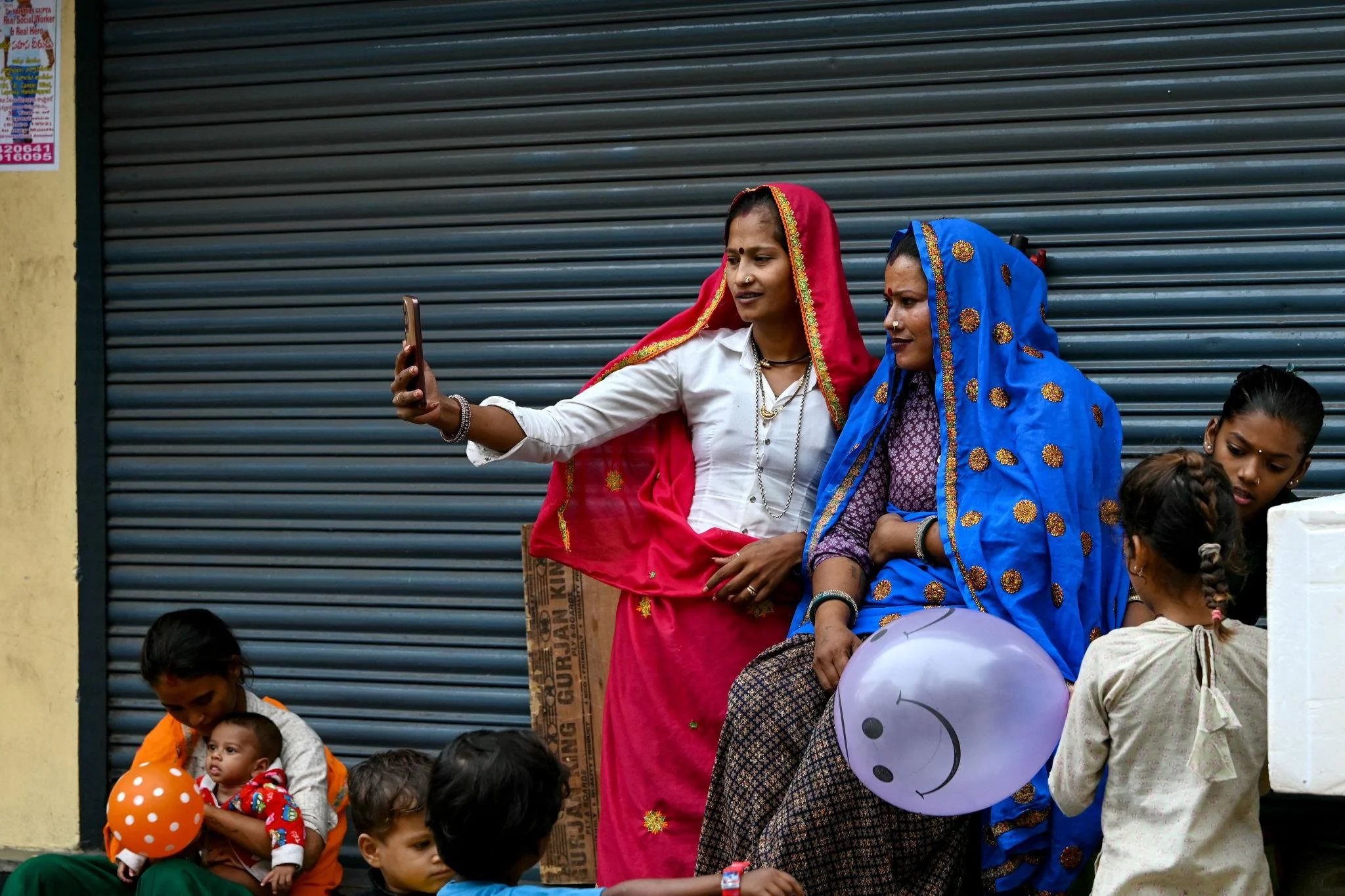
The Historical Divergence: Reform, Not Revolution
Western feminism, even when radical, emerged largely as a challenge against an existing political state demanding that the state extend its liberal promises to women. Indian feminism emerged from a more tangled history, simultaneously fighting colonial rule, indigenous patriarchy, caste hierarchy, and religious conservatism often all at once.
The platform of women's rights was central to the 19th-century social reform movement, which crystallized both nationalist aspirations and feminist responses to patriarchy. In the 20th-century nationalist upsurge, Indian women mobilized against colonial rule. This entanglement with nationalism created a fundamental tension that Western feminism never had to manage in quite the same way: Indian women were often asked to subordinate their feminist demands to the larger anti-colonial project.
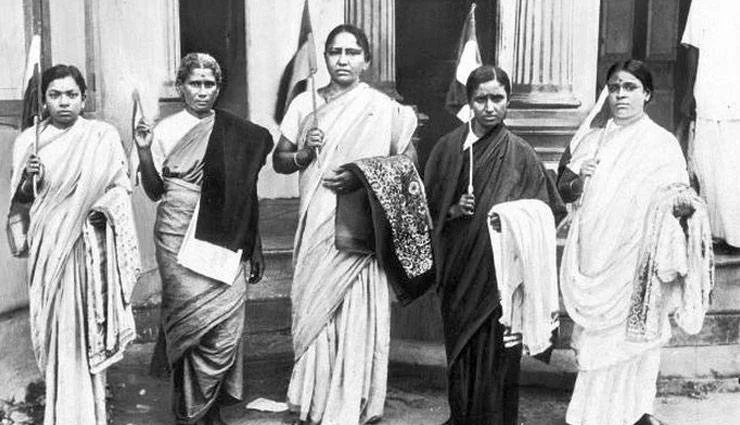
Nationalist rhetoric sometimes deployed women symbolically as mothers of the nation or repositories of tradition rather than recognizing them as autonomous political actors. Gender issues were sometimes subordinated to nationalist goals, with women's demands deferred until after independence.
Compare this with the suffragette movement in Britain or the United States, where women were fighting an internally focused battle against a state and culture that was theirs. Indian women were fighting on multiple fronts simultaneously, against a foreign occupier and against their own society's entrenched hierarchies, and the feminist demand had to constantly negotiate which fight took priority.
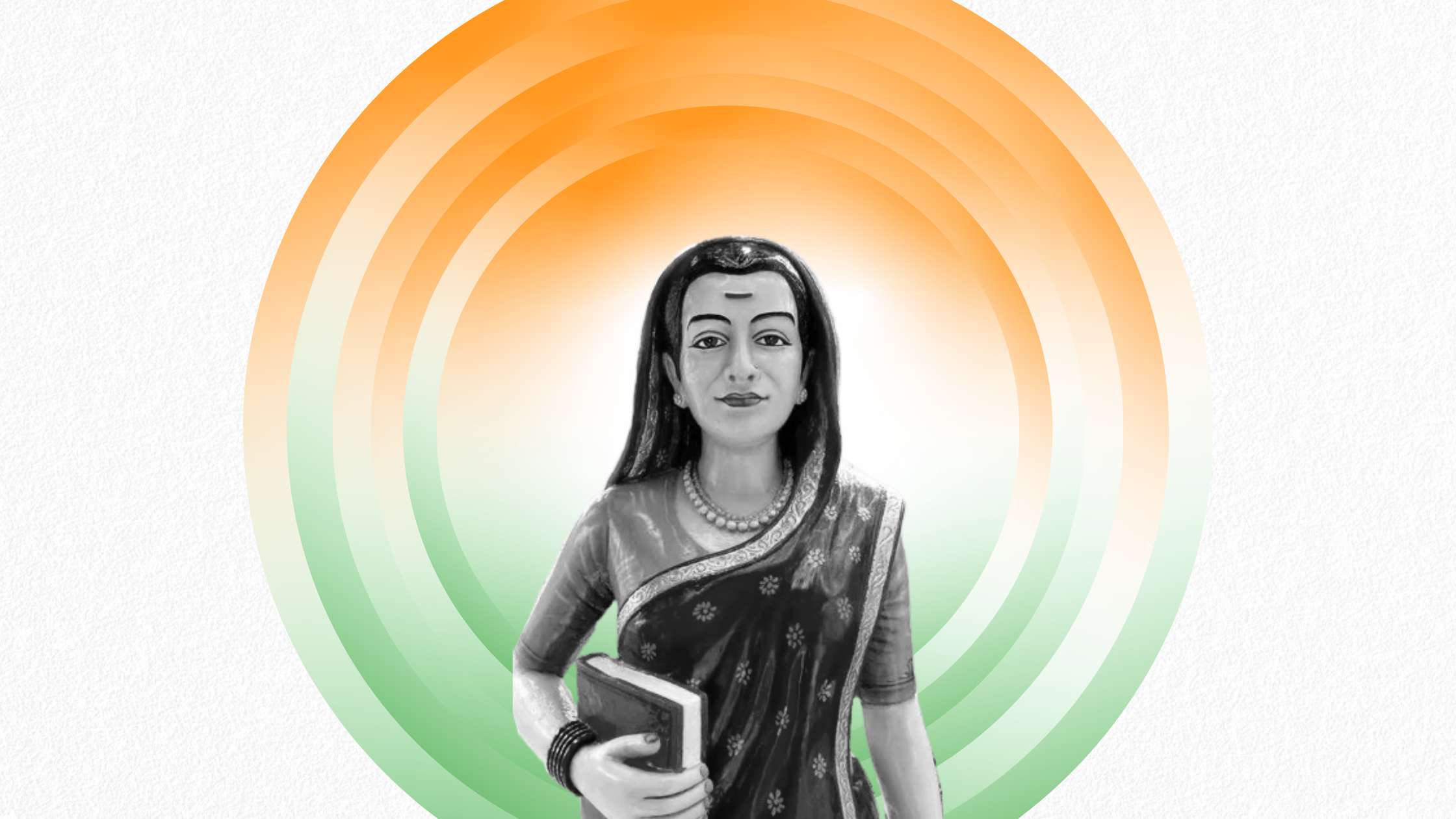
In 1848, Savitribai Phule opened one of India's first girls' schools at Bhidewada, Pune, carrying an extra sari to school because conservative opponents pelted her with stones and dung on the way. Her 1854 poetry collection Kavya Phule challenged caste hierarchy and patriarchal tradition simultaneously making her arguably India's first feminist philosopher. The key word here is "simultaneously." Savitribai Phule never had the luxury of fighting just one battle. Her feminism was inseparable from her anti-caste politics, a philosophical fusion that Western feminism would not arrive at for another century, and even then, incompletely.
The Axis of Oppression: Race vs. Caste
The most philosophically significant divergence between the two traditions lies in what they identify as the secondary axis of oppression alongside gender.
In the West, particularly in the United States, that secondary axis is race. Kimberlé Crenshaw's 1989 framework of intersectionality now widely adopted across global feminist discourse emerged specifically to explain how Black women fell between the cracks of both civil rights law (focused on race, not gender) and feminist law (focused on gender, not race). Racial and gender disparities in Western societies are explicitly named and addressed through Crenshaw's intersectional framework, which describes how various social identities intersect to create discrimination.
In India, the secondary axis is caste and it operates in ways that have no clean parallel in the West. Despite the preamble of the Indian Constitution declaring the state secular, Muslim Personal Law continues to exist as a separate set of legislation governing marriage and family matters, often putting Muslim women at a disadvantage compared to others. This situation illustrates the risk of applying Western ideas of what some have termed the "imperialism of categories" to societies that understand identity in their own ways.
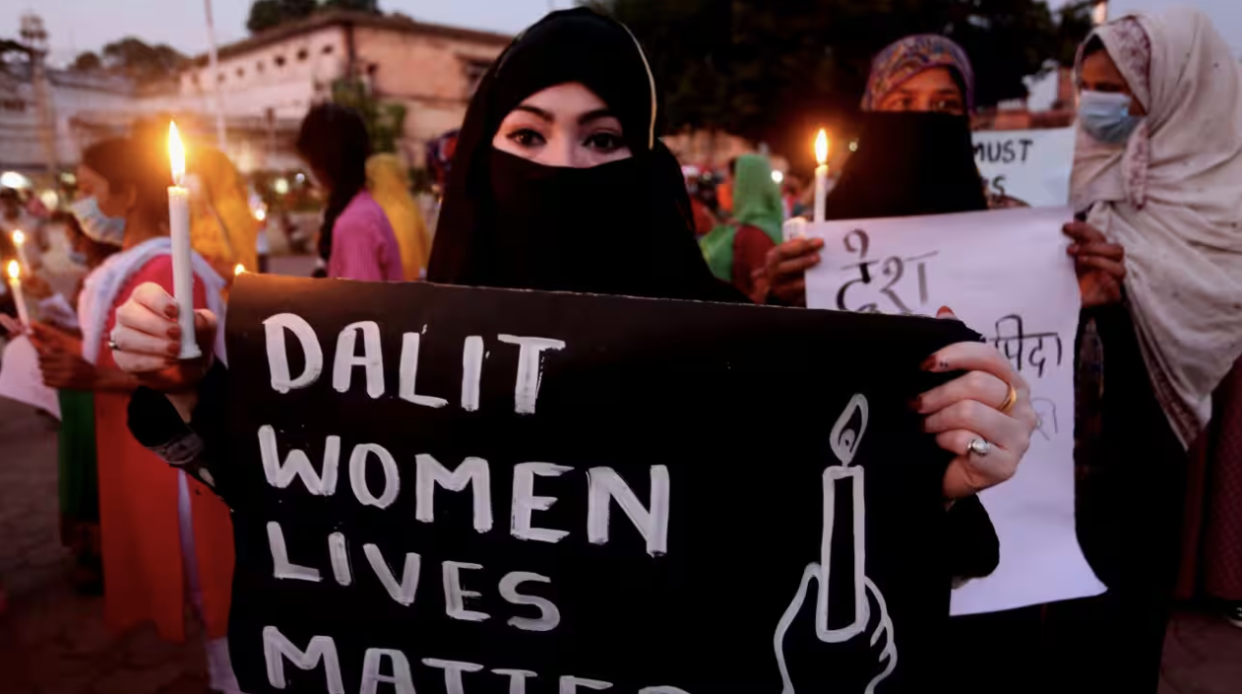
Dalit women face what scholars describe as "triple oppression" sexism, classism, and casteism simultaneously, an experience that neither Dalit men nor upper-caste women share. This triple bind is not merely an additive equation of three separate oppressions; it is a qualitatively distinct experience. The Devadasi system where Dalit girls are dedicated to temples and forced into sexual servitude under religious sanction persists as a caste-driven practice that sits at the intersection of patriarchy, untouchability, and institutional religion. There is no Western feminist analogue for this. Describing it through the lens of race alone would miss the theological and ritual dimensions that perpetuate it.
The idea of intersectionality entered Indian feminism through Dalit feminist thought, arguing that caste and gender are interlocking systems. This thinking traces back to Jyotirao Phule and Savitribai Phule, who saw caste and gender as parallel but mutually reinforcing categories of marginality that shaped one's socio-economic reality. What is remarkable is that this intellectually sophisticated, intersectional framework predates Crenshaw's formulation by over 130 years yet it is Crenshaw's version that became the global export, another instance of the West naming what the Global South had been living.
The Sociological Reality
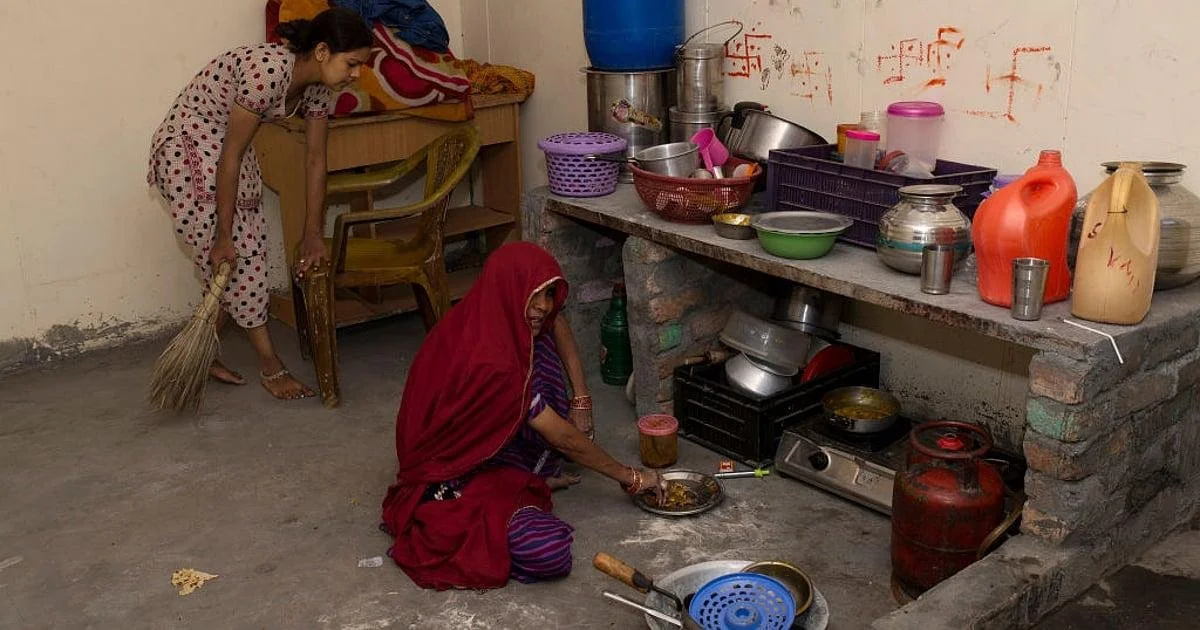
The sociological divergence is equally stark. Considering labour, Western feminist battles around work have predominantly focused on the glass ceiling, professional women blocked from senior positions, the gender pay gap in formal employment, representation in boardrooms and legislatures. In the United States, women earn around 80% of men's average annual earnings overall, narrowing to approximately 95% when controlling for occupation, education, and hours worked. This is a meaningful inequality, but it is an inequality that presupposes women's entry into formal paid employment.
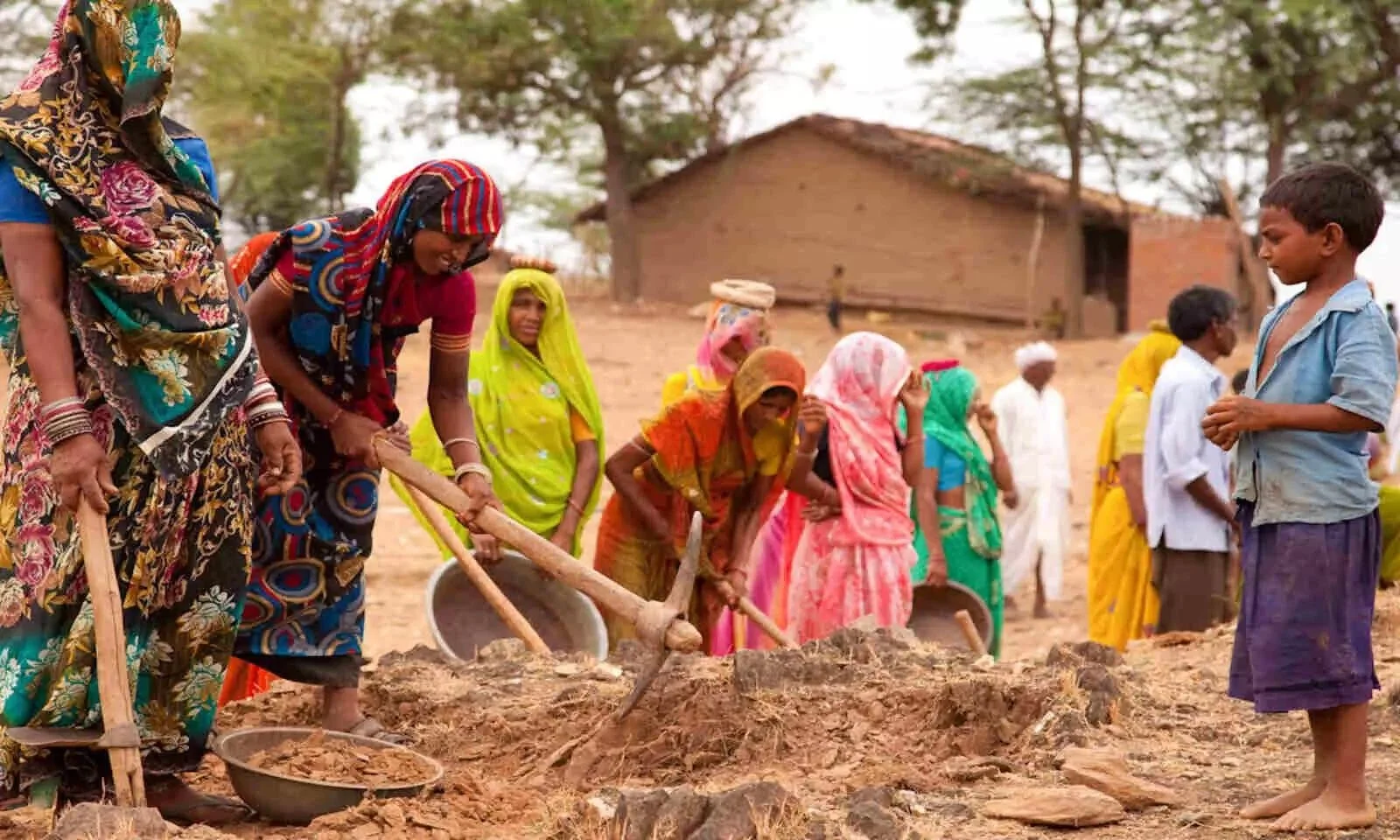
In India, the prior question is whether women can enter paid work at all. Data from the National Statistical Office's Time Use Survey 2024 show that Indian women spend nearly five hours a day on unpaid domestic and care work almost eight times as much as men. India's Economic Survey 2024 estimates that women's unpaid care work contributes 3.1% to GDP, yet this labor translates into no income, no assets, and no pathway to financial independence for the estimated 300 million women performing it. The feminist demand here is not for equal pay, it is for the recognition that work is happening at all.
Over 70% of self-employed women in India are classified as "unpaid helpers in family enterprises" meaning the celebrated rise in female labor force participation masks a reality where most women are working harder but for nothing. Western feminism's language of "leaning in" or "breaking glass ceilings" does not just fail to describe this reality, it actively obscures it.
On legal rights, the contrast is similarly structural. The West's feminist legal battles are largely post-suffrage refinements abortion rights, workplace harassment law, equal pay legislation. In India, fundamental protections remain absent. Marital rape is still not criminalized under Indian law. Police often refuse to register domestic violence cases, viewing them as family matters, and conviction rates in rape cases remain abysmally low often below 30%. Indian feminism must fight for the existence of legal protections that Western feminism largely inherited and is now defending.
The Philosophical Conclusion
What emerges from this comparison is not a hierarchy of feminist movements one more "advanced" than the other but a recognition that feminism is always a situated philosophy. It emerges from the specific conditions that produce women's oppression, and those conditions are not universal.
Western feminism, rooted in liberalism, has produced powerful tools for dismantling legal discrimination and expanding individual rights. But it struggles with collectivized forms of oppression that target women not as individuals but as members of a subordinated group defined by multiple, intersecting identities. It has also, historically, centred the experiences of white, educated, middle-class women, requiring a constant internal critique to expand its frame.
Indian feminism has always operated in a more complex philosophical terrain. Postcolonial feminism within India critiques the legacy of colonialism and its impact on gender relations, emphasizing the need to consider historical and cultural specificities. Dalit feminism addresses the unique intersection of caste and gender. This plurality is both its strength and its internal challenge: mainstream Indian feminism frequently faces criticism for its prevalence among upper-caste women and its failure to adequately acknowledge the distinct types of oppression experienced by Dalit women. The very diversity of Indian feminist thought means that "Indian feminism" is, in truth, several feminisms in negotiation with each other.
The deepest conclusion is philosophical: oppression is not a single thing. It has different architectures in different societies built from different materials, maintained by different institutions, requiring different tools to dismantle. Indian feminism's great contribution to global feminist theory is the insistence that you cannot abstract women from the social structures they inhabit, and that liberation, if it is to be real, must be designed for the actual woman, not the ideal liberal subject. That is a lesson the entire world is still learning
