
THE FRENCH REVOLUTION
King Louis the 16th was the last monarch of France before the French revolution who ruled from 1774–17792. His wife was Marie Antoinette infamous for spending tons of France’s treasury on her hair which was shaped like a ship. French society was in a chaotic position in the 18th century. The French society was divided into three classes the nobility, the clergy and the others(all the leftover population nearly 90% of the whole of France). The clergy and nobility enjoyed their lives while in the background the third estate(the others category) used to pay taxes. While the clergy and nobility wasted the treasury money in the name of banquets and religion the Third Estate was forced to pay taxes. The situation boiled up after the American Revolution. France had provided a large amount of aid to the Americans to defeat the England colonizers. This excessive expenditure led to a severe shock effect on the treasury of France. In order to accommodate the shock, Louis 16th ordered a meeting to be held in which representatives of all the three Estates would be there.
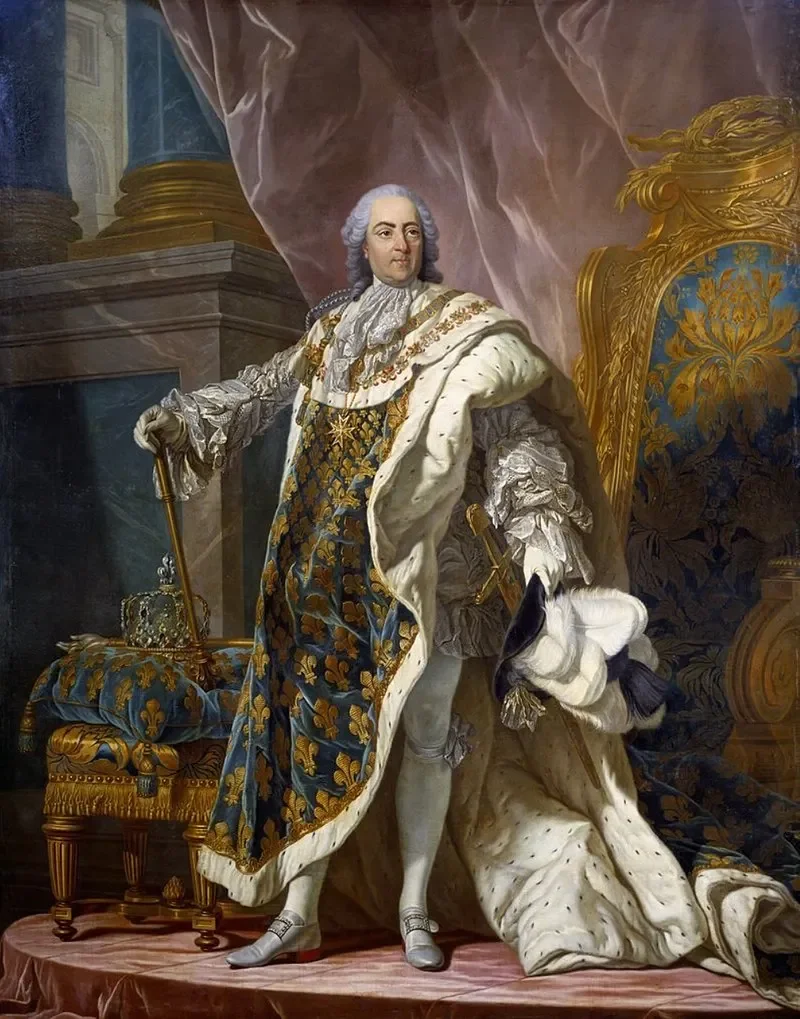
King Louis the 16th
This committee comprising all three Estates was referred to as the Estates General. The voting rule decided was that each Estate would be having only one vote each despite the significant population difference. The Third Estate rejected the idea, stormed out of the palace and founded the National Assembly on 20th June 1789 at the Tennis Court Oath pledging to build up a constitution to limit the powers of the King and bring a Republican character into French politics. The major names on the list of the Third Estate were Maximilien Robespierre and George Danton. An association named Jacobian was formed by Robespierre a radical wing which wanted the removal of King while the others wanted peace and some changes for reform.
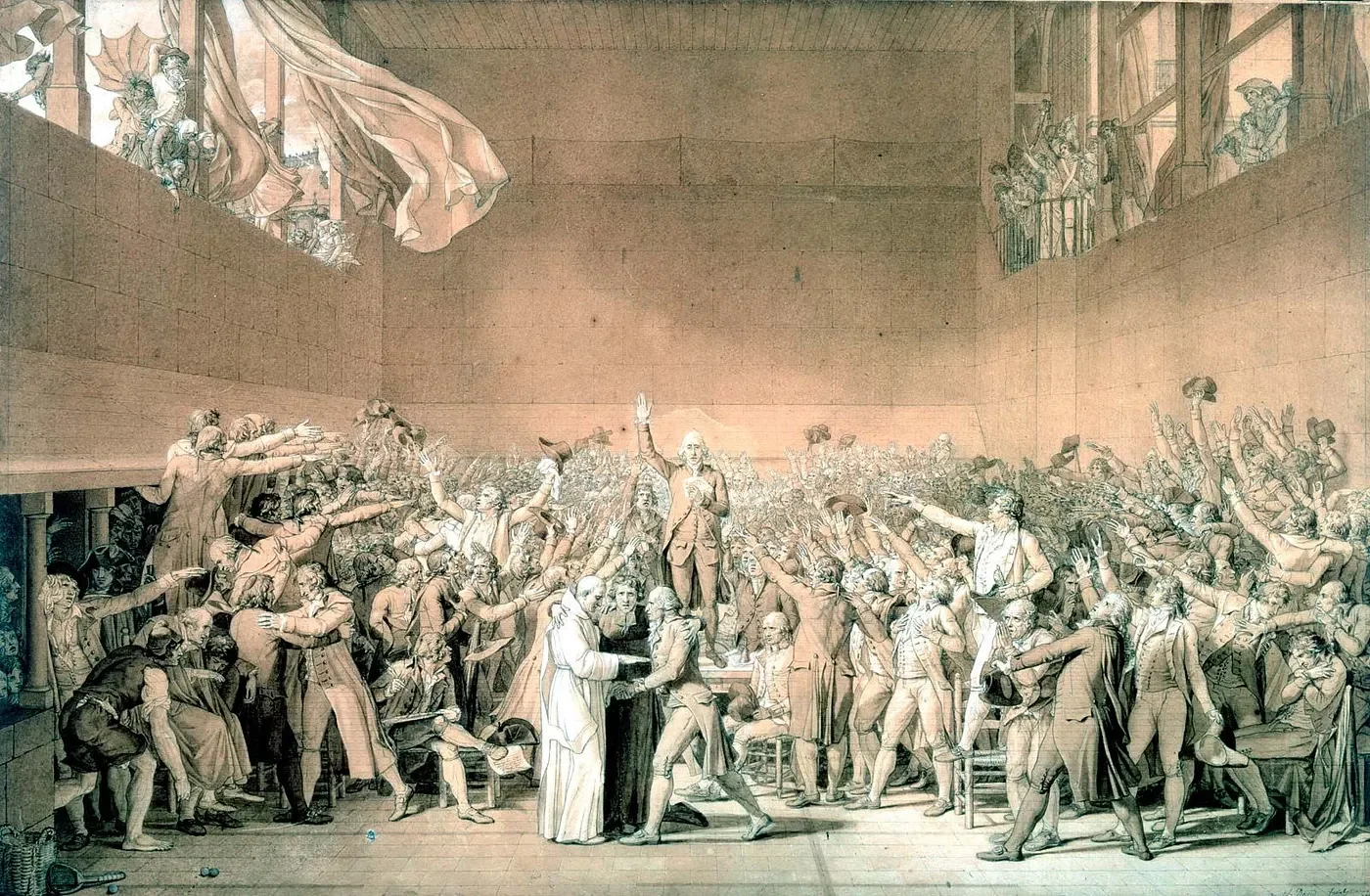
Tennis Court of Oath
The growing economic crisis and exploitation of the French society led to revolts all over Paris. The Third Estates created the Bourgeois Militia(National Guard) to counter the king’s guard and army. On 14th July 1789, the crowd raided Hotel Ies Invalides a military hospital to secure refiles. In order to get gunpowder, they further raided Bastille a prison fortress killing Governor de Launay who was the head of Bastille. This started a tradition of killing the nobility and clergy by the Third Estates and then putting their heads on a pike. Jean Paul Marat the author of the radical newspaper, The Friend of the People, further added up fuel to the fire igniting people to revolt against the King. In August 1789 members of the National Assembly with help from Thomas Jefferson adopted the Declaration of the Rights of Man and of the Citizen and the process of removal of the King further accelerated. The King’s castle was actually in Versailles and not Paris so the people marched to his palace and brought him to Paris(Tuileries Palace) so that he can actually see what all activities were happening in the city of Paris.
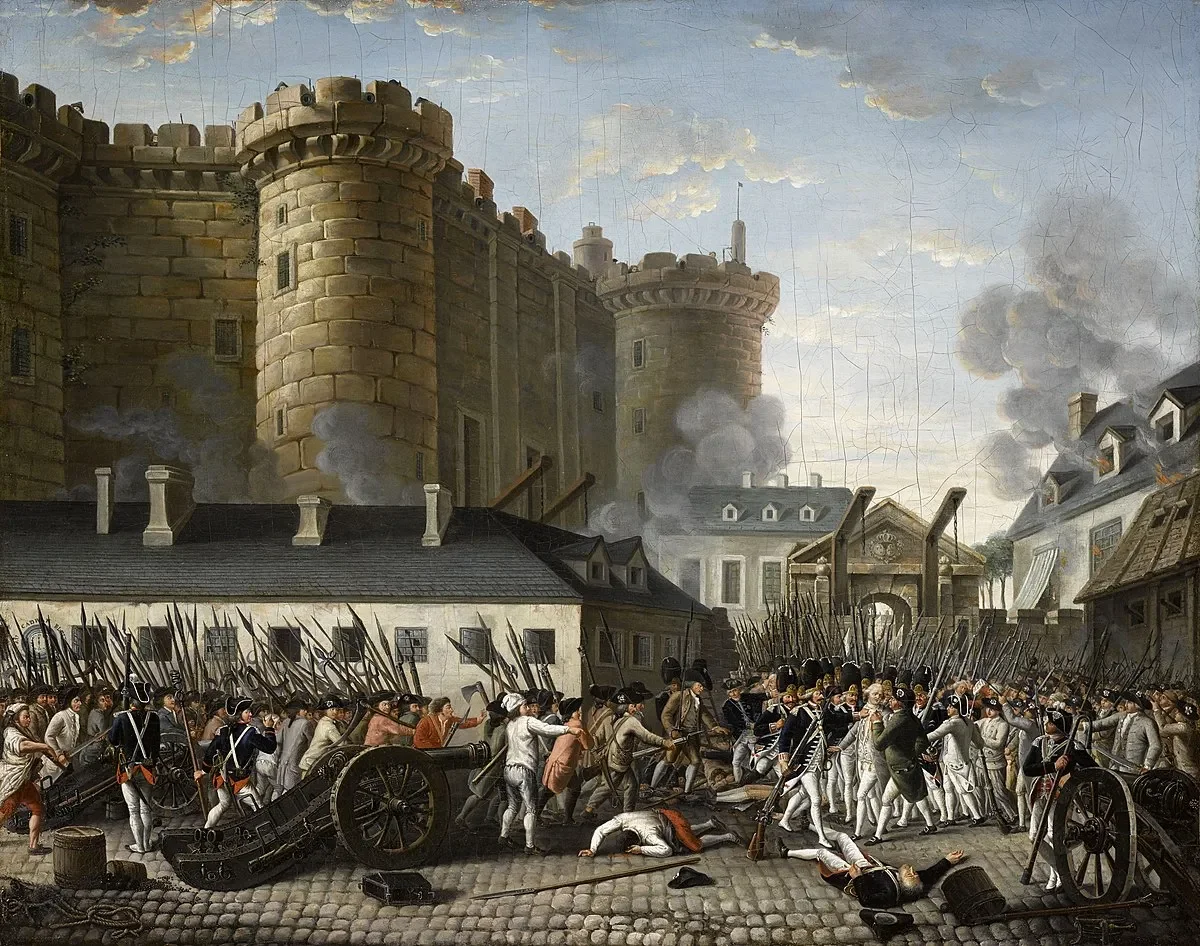
Storming the Bastille
The National Assembly started to take away the King’s power now, taxes were introduced for the first two estates also now. With tensions of execution rising up King Louis decided to run away and take over France from outside support. His plan however failed, he was faced with significant criticism and King Louis’s power was just reduced to a simple figurehead, a constitutional monarch. The Jacobians wanted something radical however, it was the Moderates who wanted to keep the king as a figurehead. The guillotine was introduced in France shortly which was put in action as the popularity of Jacobians started to increase and were being led by Robespierre. The French aristocracy seeing the heat on them started to run overseas. The foreign nations didn’t like the ongoing ideas of liberty because they feared that such ideas could disrupt their monarchy rule also so they were closely seeing the actions of the National Assembly which was renamed now as the Legislative Assembly.
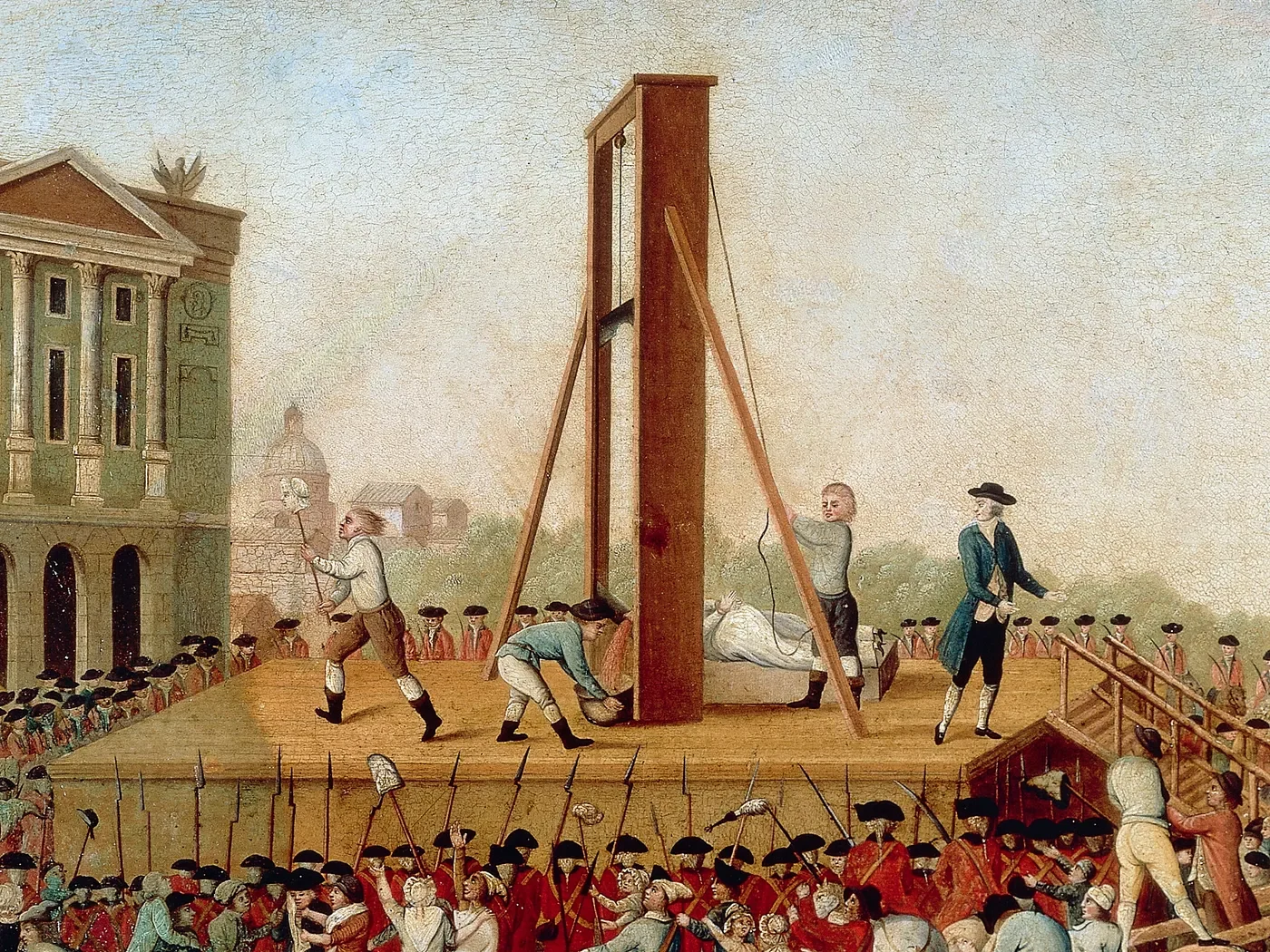
The Guillotine
France declared war on Austria in 1792 after Austria threatened to bring back Louis on the throne. France was defeated and Prussia also came in support of Austria. In 1792 on 10th August Louis was arrested and the monarchy suspended by the Legislative Assembly which now came to be called the National Convention. On September 22, 1972, France declared itself a Republic and thus also started the Reign of Terror led by Robespierre and his fellow Jacobians. State religions were banned and the assets of religious institutions were taken over. It further extended into the September Massacres of 1972 involving large scale execution of Nobility and Clergy leading to finally the execution of Louis the 16th on 21 Jan 1973. Conscription was also started during this same time however people outside Paris didn’t support this bloodshed. Outside Paris, people were actually in support and in a friendly relationship with the Nobility and Clergy.
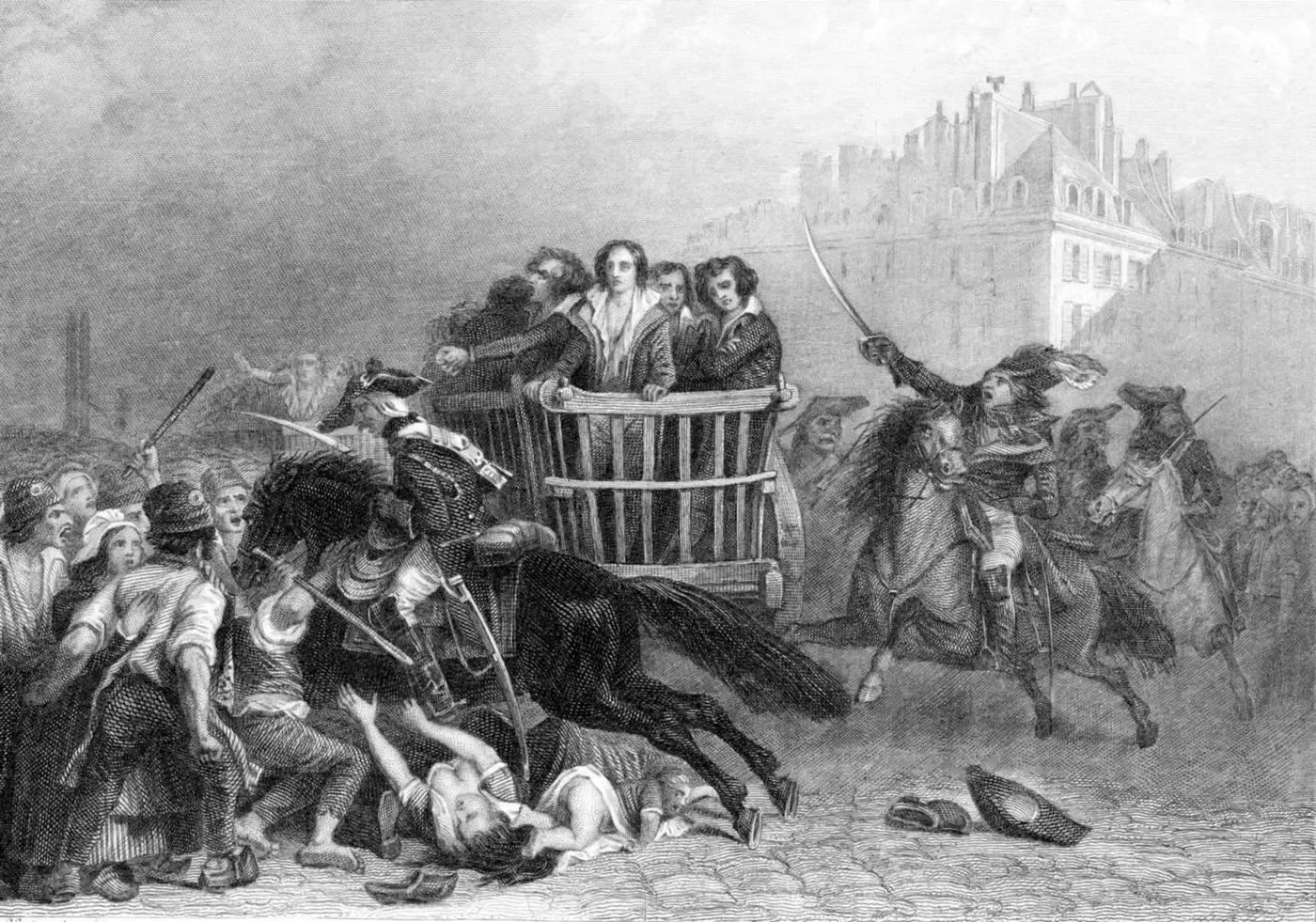
September Massacres
During this time Napolean Bonaparte also comes into the picture leading armies in the war against Austria and Prussia. By June 1973 the Radicals were in the full power of the National Convention. Marat the author of The Friend of the People was killed by Charlotte a sympathiser of the Nobility and Clergy who hated the ongoing terror. Marat became an inspiration for more increase in violence, however. Robespierre formed the Committee of Public Safety(12 members) and Revolutionary Tribunal whose purpose was to identify people that were against the ideology of Jacobins and to be sent to the guillotine for execution starting the Era of the Great Terror. The overseas French military was putting a strong foothold in the neighbouring countries.
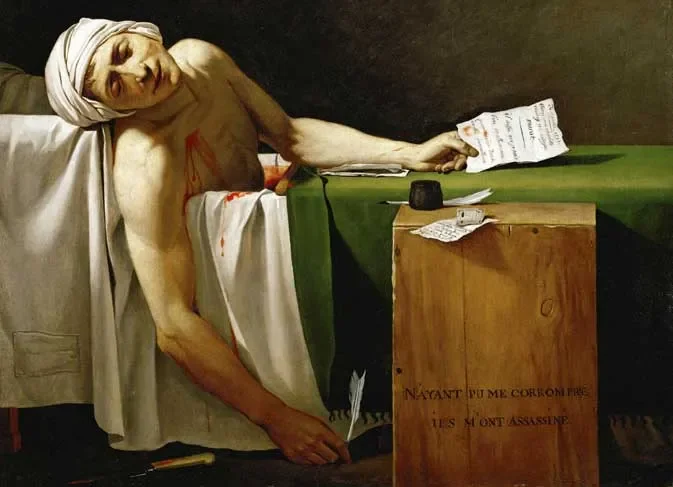
Jean Paul Marat
In the end, Robespierre was found guilty by his own men and executed by the Guillotine in 1794 bringing an end to the Terror raged by Jacobians. The Moderates came into action after the fall of Radicals leading reverse violence on the Radicals now this came to be called The White Terror. The National Convention is now turned into the Directory. In 1795 the people started the demand to bring back monarchy as the revolution had failed its purpose and the Directory remained ineffective. Napolean Bonaparte’s power was increasing on the sidelines of his heroics in the war and his fame increased all over France. Napolean Bonaparte tied with up with a politician Emmanuel Joseph Sieyes to launch a coup against the Directory. Napolean Bonaparte finally took over the government, created a new constitution and took over power himself, became France’s first Consul. So the revolution which started as a measure to end monarchs lead to terror by the Radicals and finally culminated in a dictatorship rule by Napolean Bonaparte.
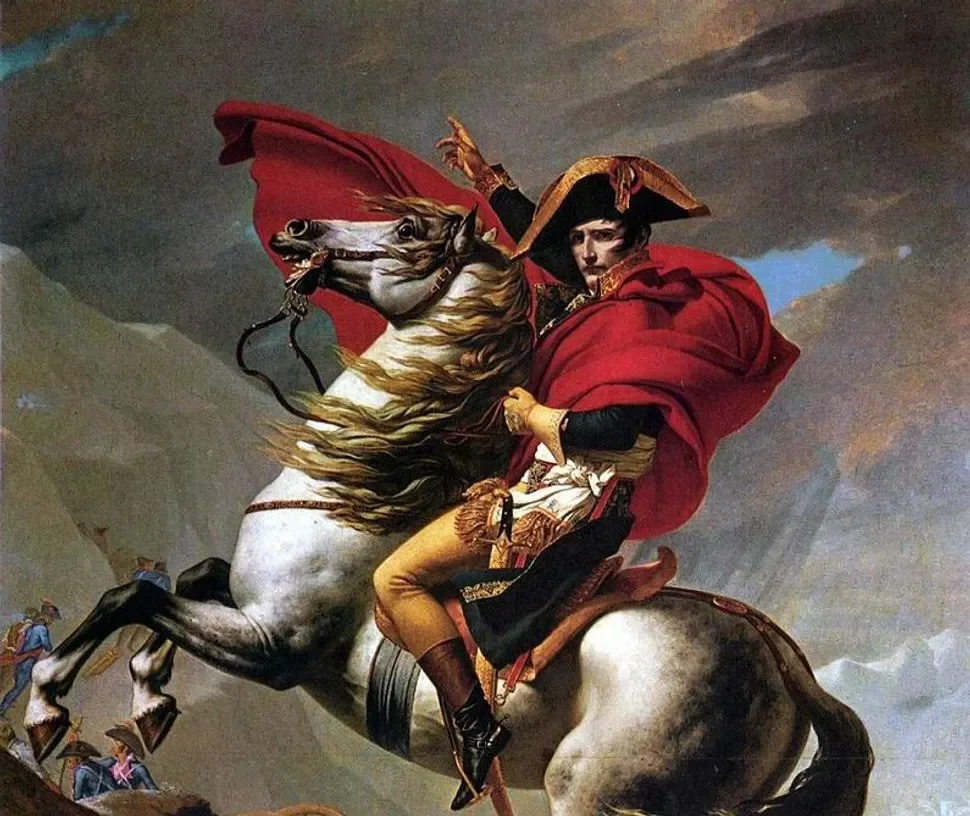
Napoleon Bonaparte
